
How to Revive Wilting Flowers
The Floral Muse6 min read
On this page
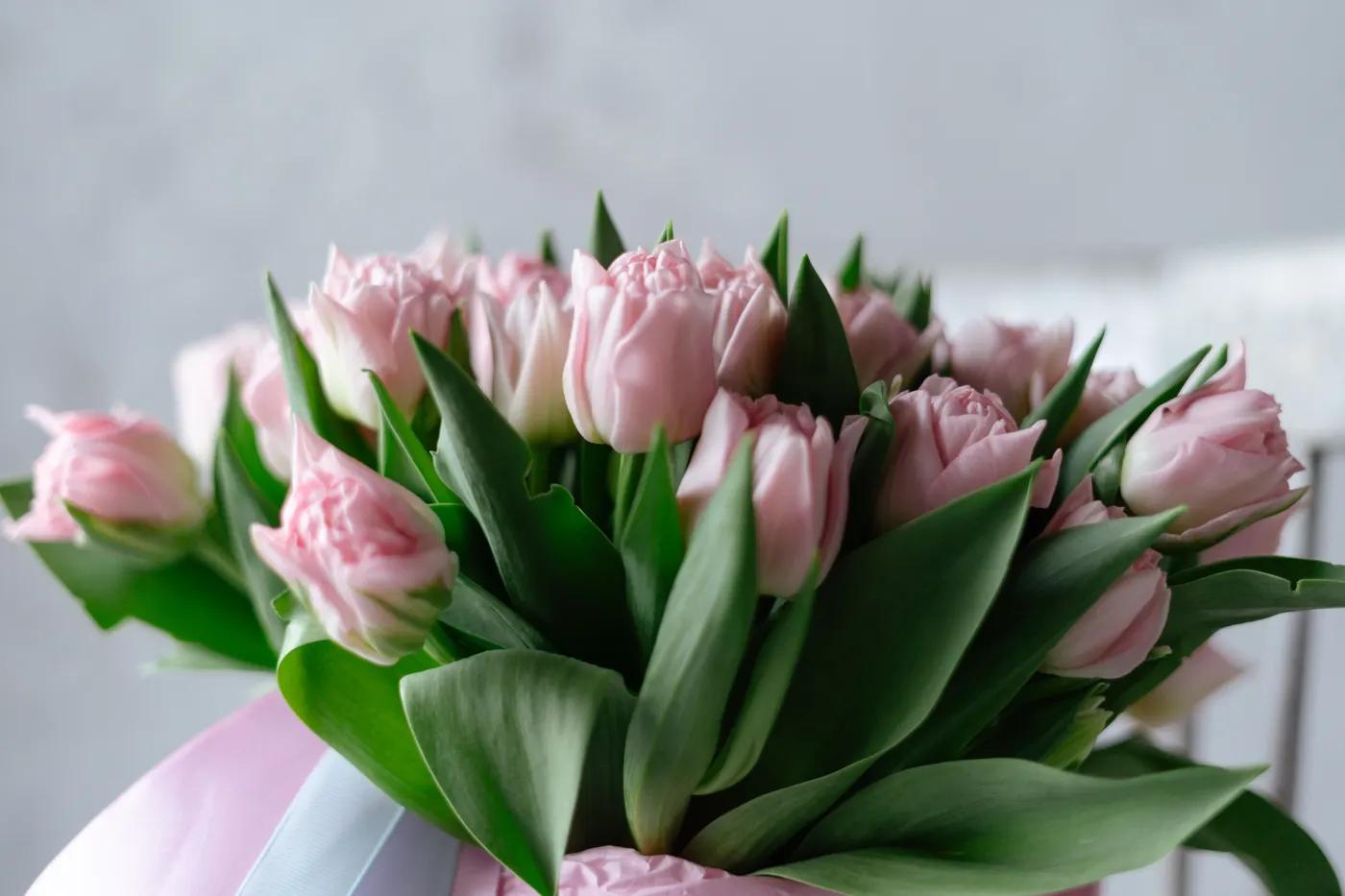
Few things are more disheartening than finding a favourite bouquet drooping days before you expected it to. The good news is that a wilting arrangement is very often rescuable. Most droop isn't the flower giving up — it's an air lock in the stem stopping water from reaching the bloom. Clear that blockage, rehydrate properly, and many flowers will lift their heads again within a few hours.
Below is the exact reviving routine we use in our Leeds studio, one step at a time, with an honest note on what you can realistically expect. Not every stem can be saved, but you'd be surprised how many bounce back with ten minutes of care.
Why flowers wilt in the first place
Understanding the cause makes the fix obvious. Once a flower is cut, it relies entirely on drawing water up through its stem. Three things commonly interrupt that flow:
- Air locks. The moment a stem meets air, tiny bubbles can form in the water channels and block them — like a kink in a hose. This is the single most common reason a fresh-looking flower suddenly flops.
- Dehydration. A dry vase, a hot room or simply a few days without a top-up leaves stems unable to keep the head firm.
- Bacteria. Murky, smelly water and leaves rotting below the waterline clog stems from the inside and shorten everything's life.
Heat, direct sun and ripening fruit (which gives off ethylene gas) all speed the decline along. Fix the water flow and the environment, and you address nearly every case of premature wilt.
The step-by-step revival
Work through these in order. You'll need sharp scissors or a knife, a clean vase, and fresh cool water.
- Empty and rinse the vase. Tip away the old water and wash the vase with warm soapy water to clear any bacteria film. Refill with fresh, cool water.
- Strip the lower leaves. Remove every leaf that would sit below the waterline. Submerged foliage rots quickly, feeds bacteria and is a frequent hidden cause of droop.
- Re-cut the stems under water. Hold each stem under running water or in a bowl and slice 2–3cm off at a sharp 45° angle. Cutting under water is the key move — it stops fresh air being drawn into the stem and re-opens the channels, while the angled cut maximises the drinking surface.
- Rehydrate in a cool, shaded spot. Stand the flowers somewhere out of direct sun, away from radiators, draughts and the fruit bowl. Give them a couple of hours undisturbed before you judge the results.
More often than not, a droopy stem is thirsty rather than finished. Re-cutting under water is what actually lets it drink again.
The warm-water trick for roses
Roses and other woody, thirsty stems respond beautifully to a warm-water rescue. Warm water holds less air and travels up a stem faster than cold, so it clears an air lock and reaches a drooping head far more quickly.
- Re-cut the rose stems under water as above.
- Stand them in a jug of warm — never hot — water, around the temperature of a comfortable bath.
- If a rose head has flopped right over ('bent neck'), lay the whole stem flat in a sink of cool water for 20–30 minutes so the entire length can rehydrate, then return it to the vase.
You'll often see roses firm up within an hour or two. Tulips, by contrast, keep growing and bending in the vase even when perfectly healthy — that's normal behaviour, not wilt, so don't over-correct them.
What to realistically expect
Honesty matters here. Reviving works best on flowers that are dehydrated but not yet spent. A rose that has drunk properly for a few days and is now dropping petals is at the natural end of its life, and no amount of re-cutting will turn the clock back.
As a rough guide, well-cared-for fresh flowers give you 7–14 days of enjoyment, depending on the variety and the room. Some blooms, like alstroemeria and chrysanthemums, are naturally long-lasting; others are gloriously short-lived. If you'd like to plan around this, our guide to the flowers that last longest in a vase is a good place to start, and the wider ultimate flower care guide covers everything from cut to compost.
One more word of caution: skip the internet 'hacks'. Splashes of lemonade, a coin, a spoon of sugar or a dash of bleach do far less than a clean vase and a fresh cut — and some can do harm. We unpick the popular ones over in our flower-care journal.
Giving your flowers the best start next time
Prevention beats revival. Re-cut stems and change the water every two to three days, keep the vase out of sunlight and away from fruit, and top up the water daily in warm weather. A little routine keeps you out of rescue mode altogether. For the full method, our flower care hub and the flower-care journal collect every tip in one place.
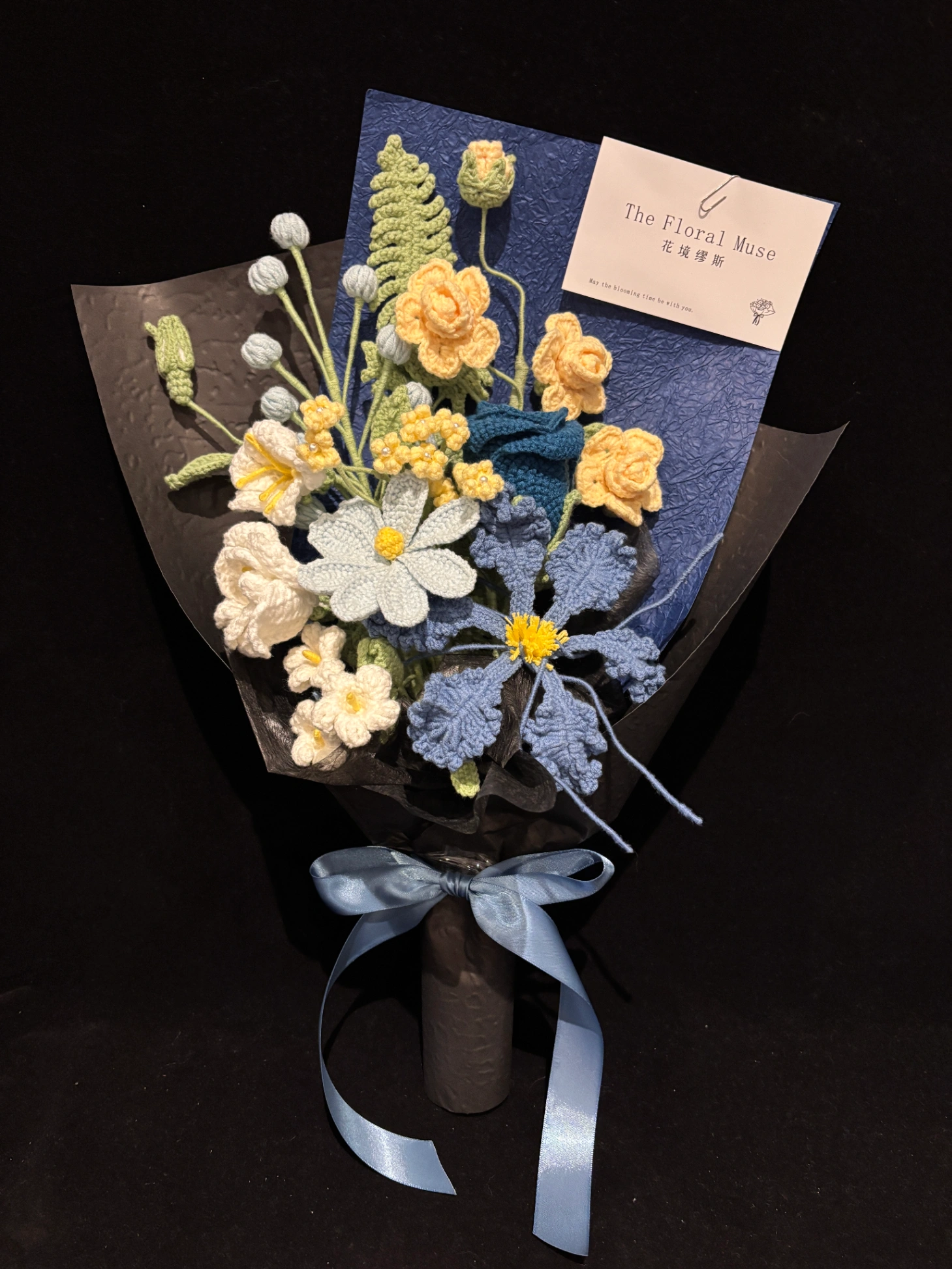
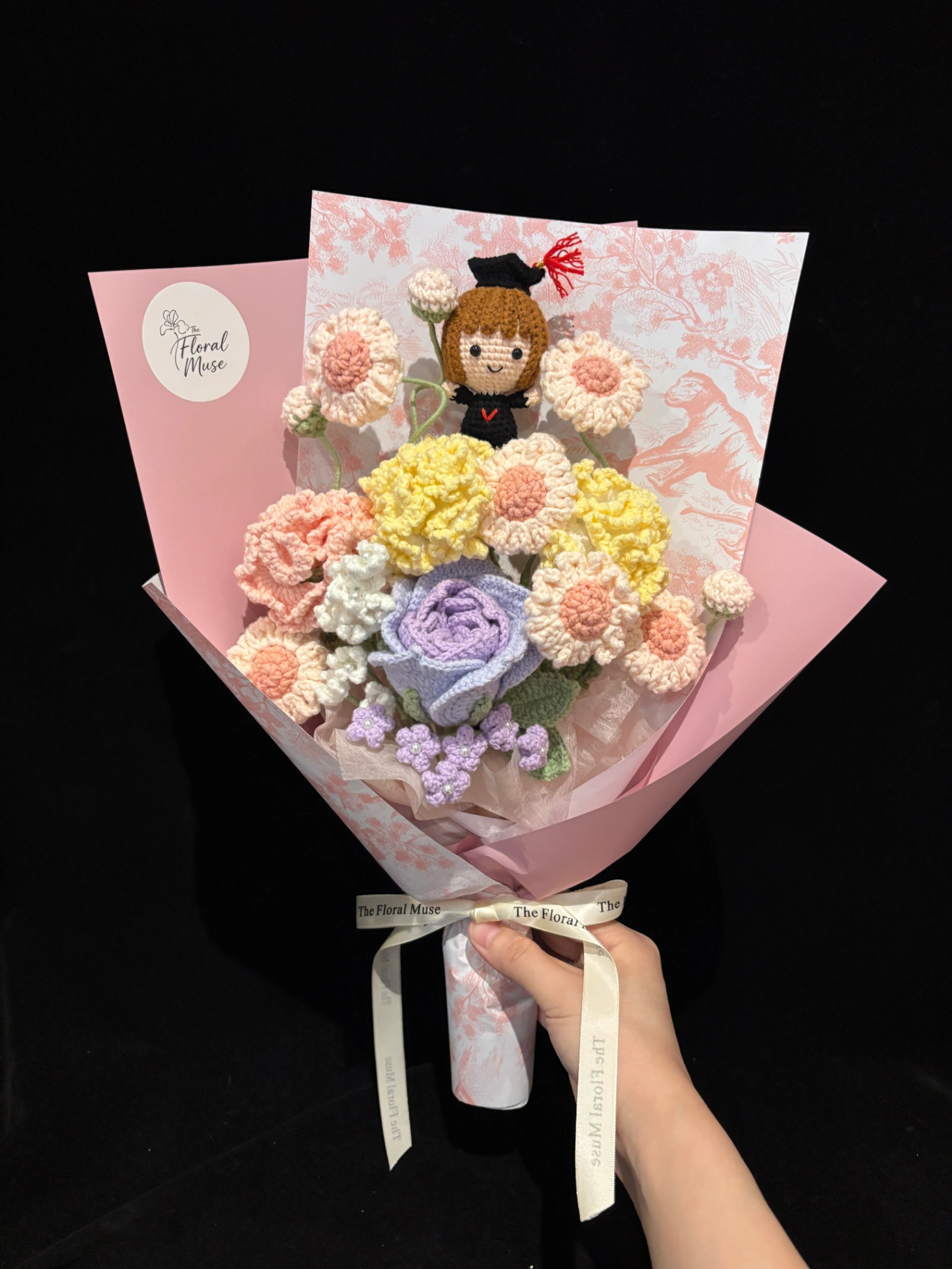
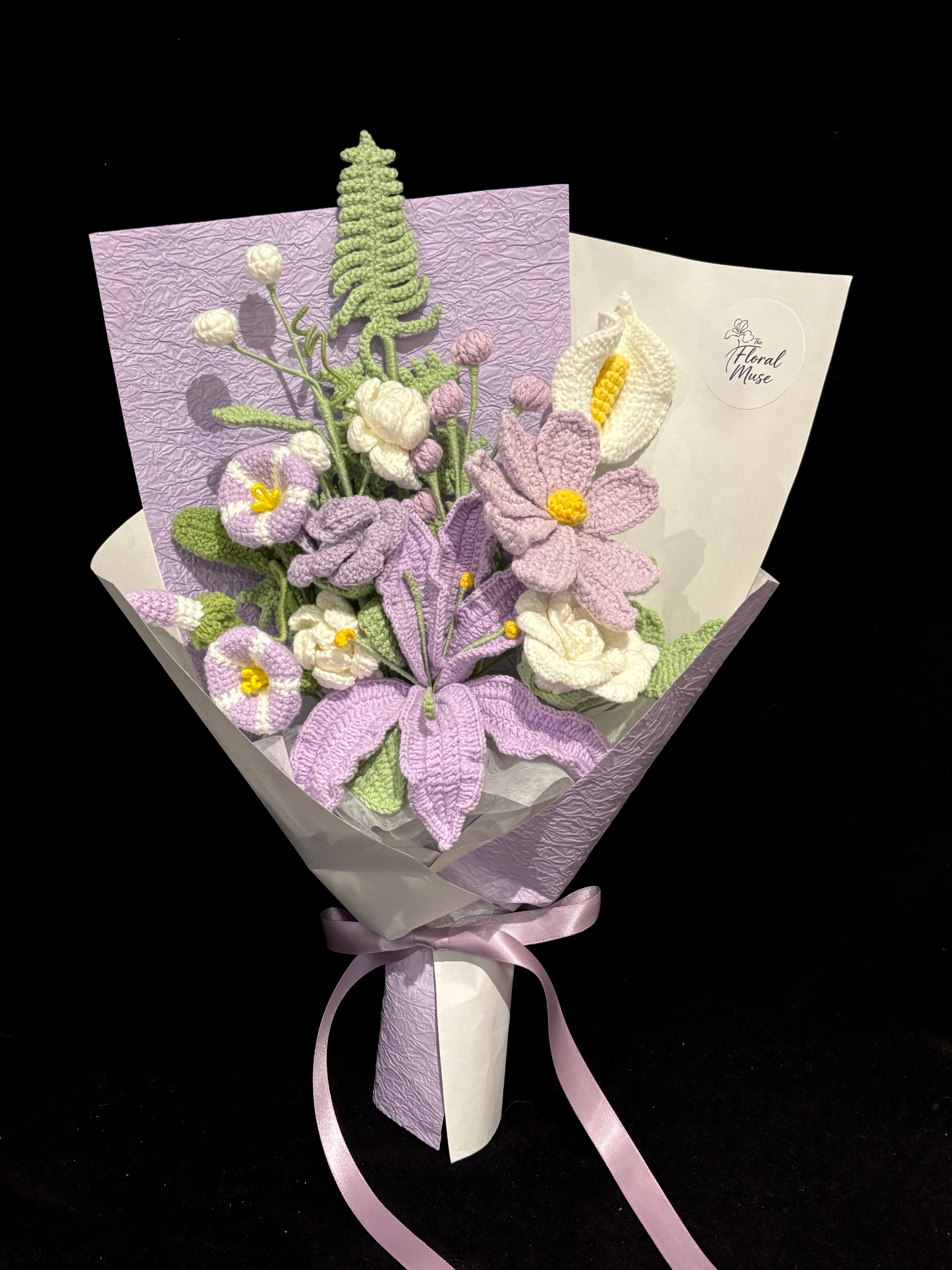
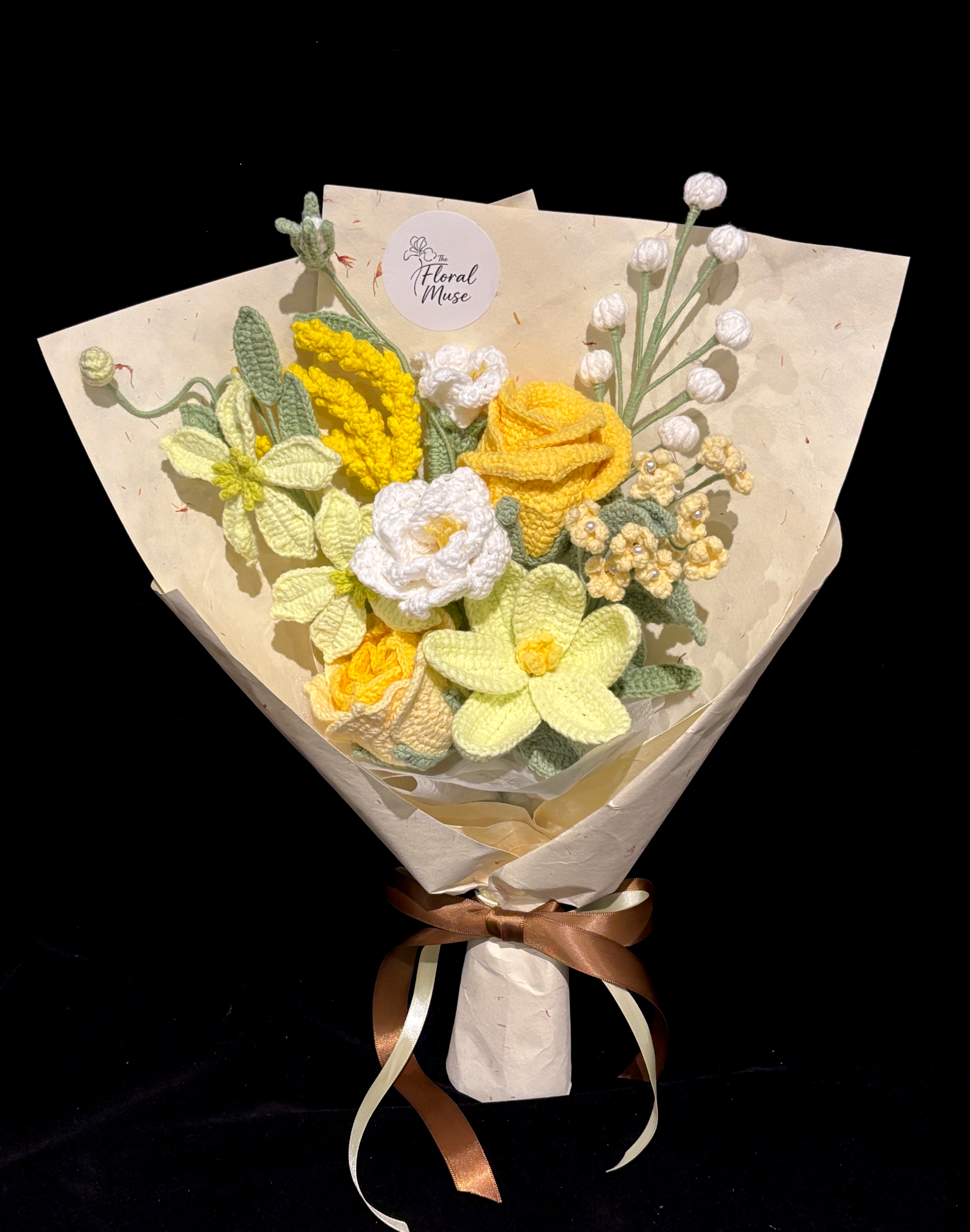
If a stress-free arrangement is what you're really after, our hand-crocheted flowers and preserved flowers never wilt at all. Each is handmade to order and hand-finished in our Leeds studio, needs no water, and can be posted anywhere in the UK — a lovely everlasting choice for someone who forgets to top up the vase. When you want the fresh, seasonal look, browse our current bouquets; fresh flowers are delivered locally across Leeds and West Yorkshire, and there's no strict cut-off for same-day — just get in touch and we'll do our best, subject to availability.
Frequently asked questions
How long does it take for wilting flowers to revive?
Most rehydrating flowers begin to firm up within one to two hours of being re-cut under water and placed somewhere cool. Give a badly drooped stem a few hours before deciding whether it has recovered.
Does the warm-water trick work for all flowers?
It's especially effective for roses and other woody, thirsty stems. Softer stems are usually fine with cool water — the more important step for every flower is re-cutting under water to clear the air lock.
Can I save a bouquet that has been out of water?
Often, yes. Re-cut every stem under water straight away and stand them in a deep drink in a cool spot. The sooner you act after they've dried out, the better the odds of them perking back up.
Which flowers won't wilt at all?
Our hand-crocheted and preserved flowers never need water and won't droop, making them a worry-free gift. Both are made to order and hand-finished in our Leeds studio, and we can post them anywhere in the UK.
Shop our flowers
More guides
Vase Life by Flower Type: A Reference
A quick reference to the typical vase life of common cut flowers, from long-lasting carnations and orchids to fleeting sweet peas — plus the care that helps every bloom reach the top of its range.

The Ultimate Flower Care Guide
A florist's complete routine for fresh flowers — unwrapping, a clean vase, flower food, an angled re-cut and the right cool spot — plus the worry-free, no-care alternatives when safety or longevity matters.
Winter & Christmas Flowers
Winter has its own quiet glamour — amaryllis, hellebores, ranunculus and fragrant evergreens. Here's what's in season, how to gift it, an honest note on poinsettia and pet safety, and why it pays to order ahead for the festive peak.
Ready to buy? Flower care guide.
Ready to order? Browse our shop, read more guides, or get in touch about a bespoke arrangement.
You might also like our same-day flower delivery in Leeds, our flower care guide, our everlasting crochet flowers shipped UK-wide, or shop flowers by occasion.