
The Ultimate Flower Care Guide
The Floral Muse8 min readUpdated
On this page
Few things lift a room like a fresh bouquet — and with a little know-how, the flowers you bring home (or that arrive at your door) can look their best for far longer. Most of what shortens a vase's life comes down to three quiet enemies: bacteria in the water, air trapped in the stems, and heat. Beat those, and you give your blooms every chance to open fully and hold their colour.
This is our complete, florist-tested routine — the same care we'd give our own arrangements here in the studio. Follow it and you can reasonably expect 7–14 days of vase life with care, depending on the variety. Let's walk through it, from the moment the wrapping comes off to the day-by-day upkeep that makes all the difference.
The first hour: unwrapping and a clean start
How you treat flowers in their first hour sets the tone for the whole fortnight. Resist the urge to leave them wrapped on the side while you find a vase — thirsty stems and trapped warmth work against you.
- Unwrap gently and free the stems. Slide off any sleeve, snip the ties, and lay the bouquet flat so nothing is crushed. If your flowers arrived in a hydration bag or aqua-wrap, keep them upright until your vase is ready.
- Choose — and scrub — the vase. This is the step most people skip, and it matters more than any clever trick. Wash your vase in hot, soapy water and rinse well, even if it looks clean. Invisible bacteria left from a previous bunch will cloud the water and block stems within a day.
- Fill with fresh, cool water. Most bouquets are happiest in roughly two-thirds of a vase of water. Woody or thirsty stems like a deeper drink; delicate spring stems prefer it shallower.
Water, flower food and the angled re-cut
Now for the part that genuinely extends vase life. Do these three things together and you'll see the difference.
Always use the flower food
The little sachet tucked into your bouquet isn't an afterthought — it's a carefully balanced mix of sugar to feed the blooms, an acidifier to help water travel up the stem, and a mild agent to keep bacteria down. Tip the whole sachet into the water and stir. If you've run out, a fresh sachet does far more good than any kitchen-cupboard remedy — despite what you may have heard, home 'hacks' like sugar, aspirin, bleach or lemonade don't reliably help and some can do more harm than good.
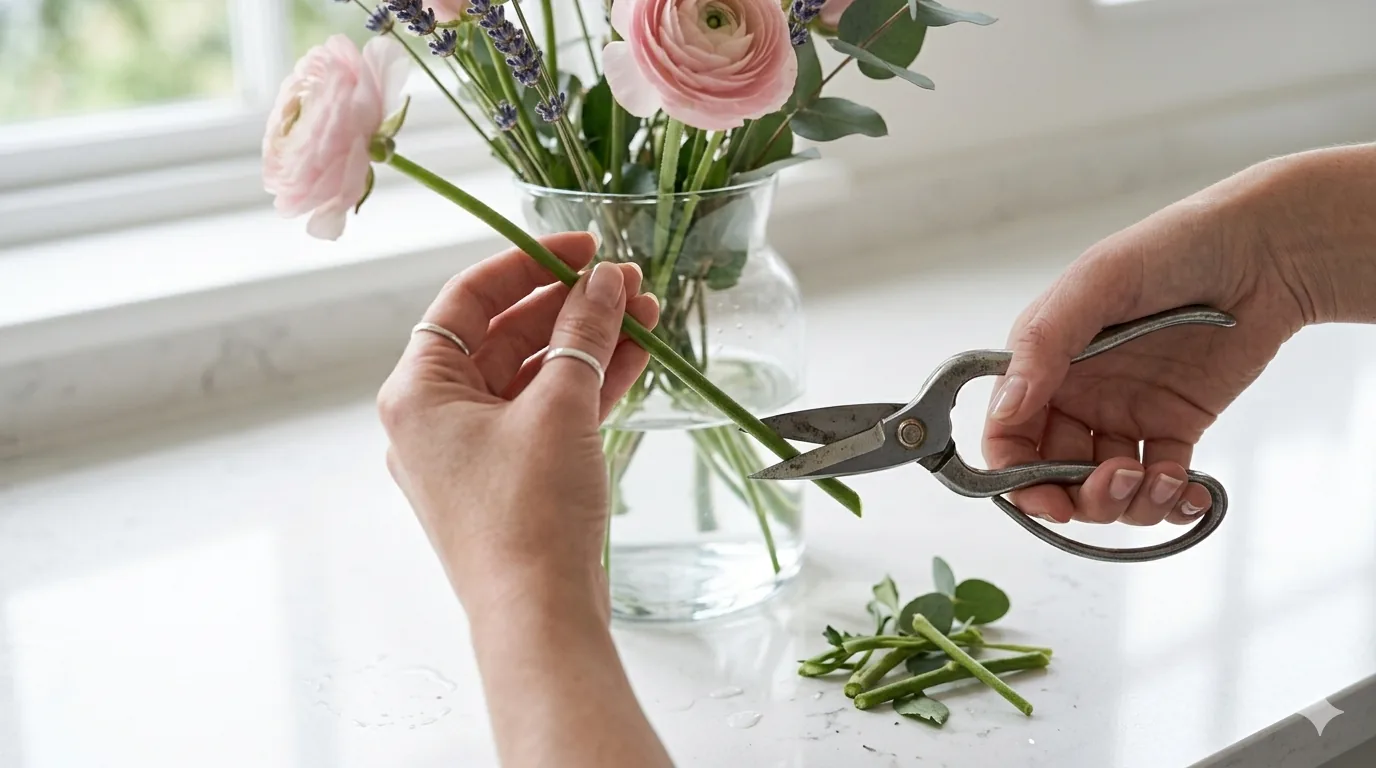
Re-cut every stem at an angle
The moment a stem leaves water, a tiny air lock forms at the base and starts to block the flower's drink. A fresh cut clears it.
- Use sharp scissors or a knife — blunt blades crush the stem and seal it shut.
- Cut 2–3cm off at roughly a 45-degree angle. The slant increases the surface area for drinking and stops the stem sitting flat on the vase base.
- Do it quickly, and get the stems straight back into water. Cutting under running water, or even in a bowl of water, helps stop that air lock reforming.
Strip the lower leaves
Remove any foliage that would sit below the waterline. Submerged leaves rot fast, and that decay is exactly the bacteria your clean vase was meant to avoid. Leave the upper leaves — they're part of the look.
A clean vase, the flower food and a fresh angled cut are the three habits that do most of the work. Everything else is fine-tuning.
Where to keep them: cool, calm and away from fruit
Position is the hidden lever. The prettiest spot in the house is often the worst for flowers, so it's worth a moment's thought.
- Keep them cool. A cooler room slows ageing. Overnight, moving the vase somewhere chilly — a hallway or an unheated room — can noticeably lengthen its life.
- Out of direct sun and away from heat. A sunny windowsill, the top of a radiator, or the warm glow above a TV will cook delicate petals and wilt stems early. Draughts from doors and heating vents dry them out too.
- Away from the fruit bowl. Ripening fruit gives off ethylene, an invisible gas that ages flowers and makes buds drop before they open. It's the single most common mistake we see — keep flowers and fruit in different rooms if you can.
For a longer-lasting display from the outset, it helps to start with sturdy varieties — chrysanthemums, alstroemeria, carnations and lisianthus naturally hold up longest in a vase, while softer spring stems are more fleeting by nature. Mixing the two lets a bouquet age gracefully rather than all at once.
Day-by-day upkeep (the two-minute habit)
A short routine every couple of days keeps the water clear and the stems drinking. It really does take only a minute or two.
- Change the water every 2–3 days — sooner if it looks cloudy. Cloudy water means bacteria, and bacteria block stems.
- Rinse the vase each time you refresh, and add a little more flower food if you have it.
- Snip another centimetre off the stems with each water change. It reopens the drinking surface and clears any new air lock.
- Pull out anything past its best. As individual blooms fade, remove them — a spent flower releases more ethylene and hurries its neighbours along. A bouquet often looks better and lasts longer once you've edited it down.
If a bunch flops earlier than you'd hoped, don't give up on it — many stems can be brought back with a fresh angled cut and a deep drink of cool water somewhere shady for an hour or two. You'll find more seasonal tips and the full library on our flower care hub, and a printable summary on our flower care page.
Flowers, pets and allergies — and the no-care option
If there's a curious cat or dog in the house, or someone sensitive to pollen, a little caution goes a long way. Some common flowers are best kept out of reach. Lilies (both Lilium and Hemerocallis) are highly toxic to cats — every part, including the pollen and even the vase water, so we'd steer clear entirely in a home with cats. Tulips, daffodils, hyacinth, hydrangea, chrysanthemum, ranunculus and ivy are also commonly listed as toxic or irritant to cats and/or dogs. Happily, several favourites — true roses (Rosa), sunflowers, snapdragons, orchids, freesia and lisianthus — are generally considered non-toxic, which makes them a reassuring choice.
Please treat this as friendly guidance rather than a medical guarantee: pets and reactions vary, so always check a reliable plant list such as those published by the ASPCA or the Blue Cross, and speak to your vet if you have any concern about something that's been nibbled. When in doubt, ask us and we'll happily suggest a pet-friendlier bouquet, or browse our allergy-friendly options.
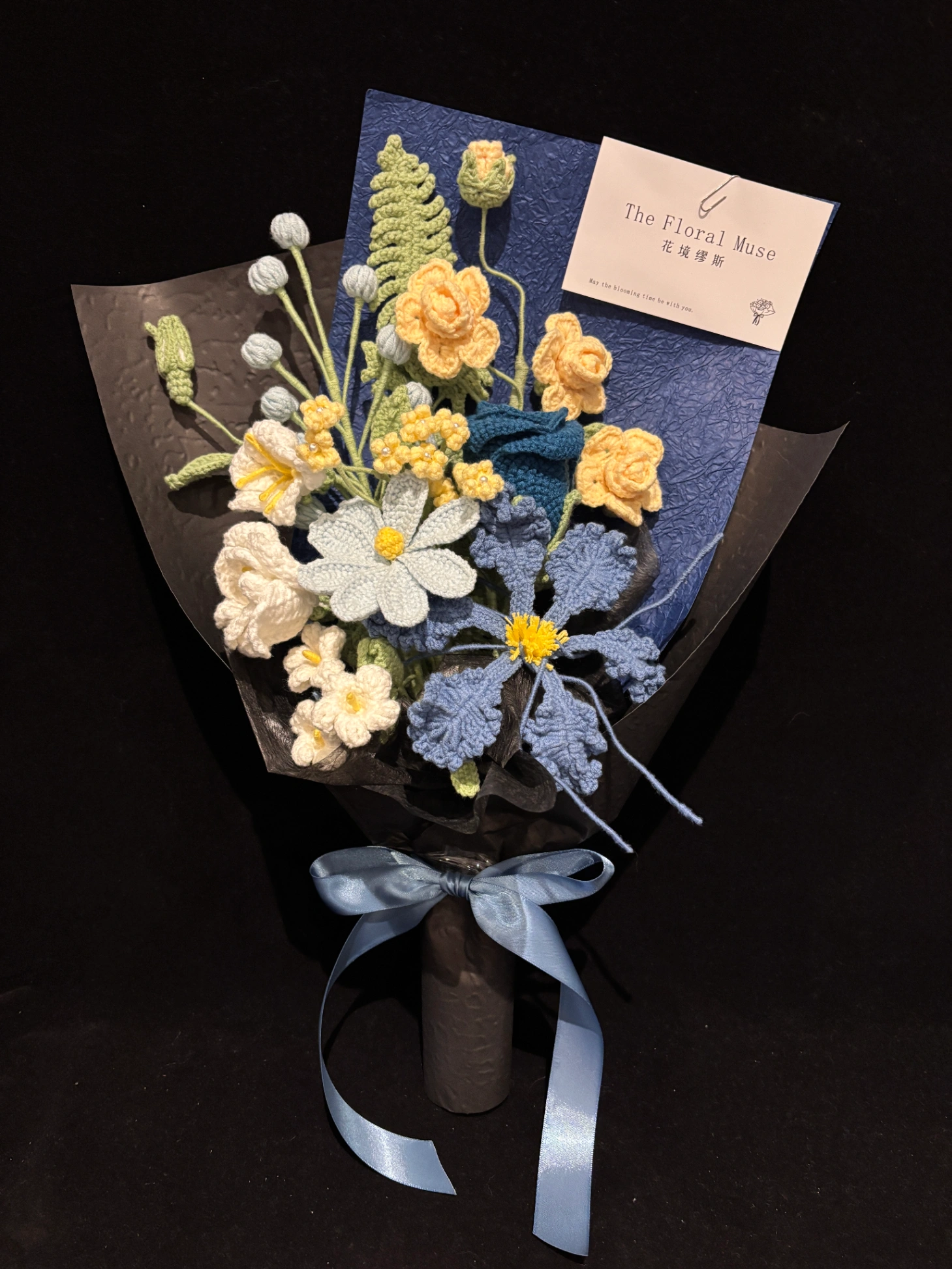
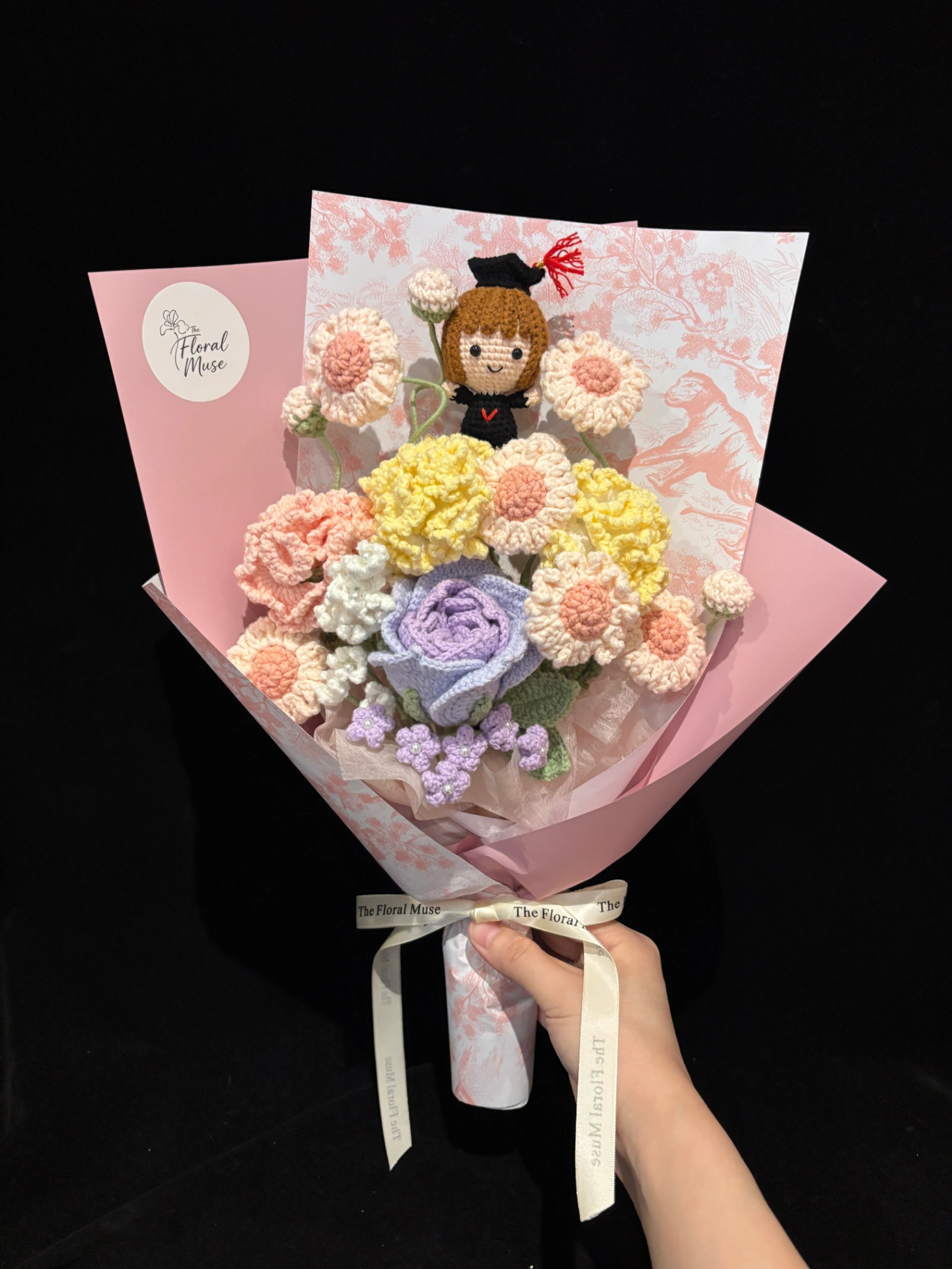
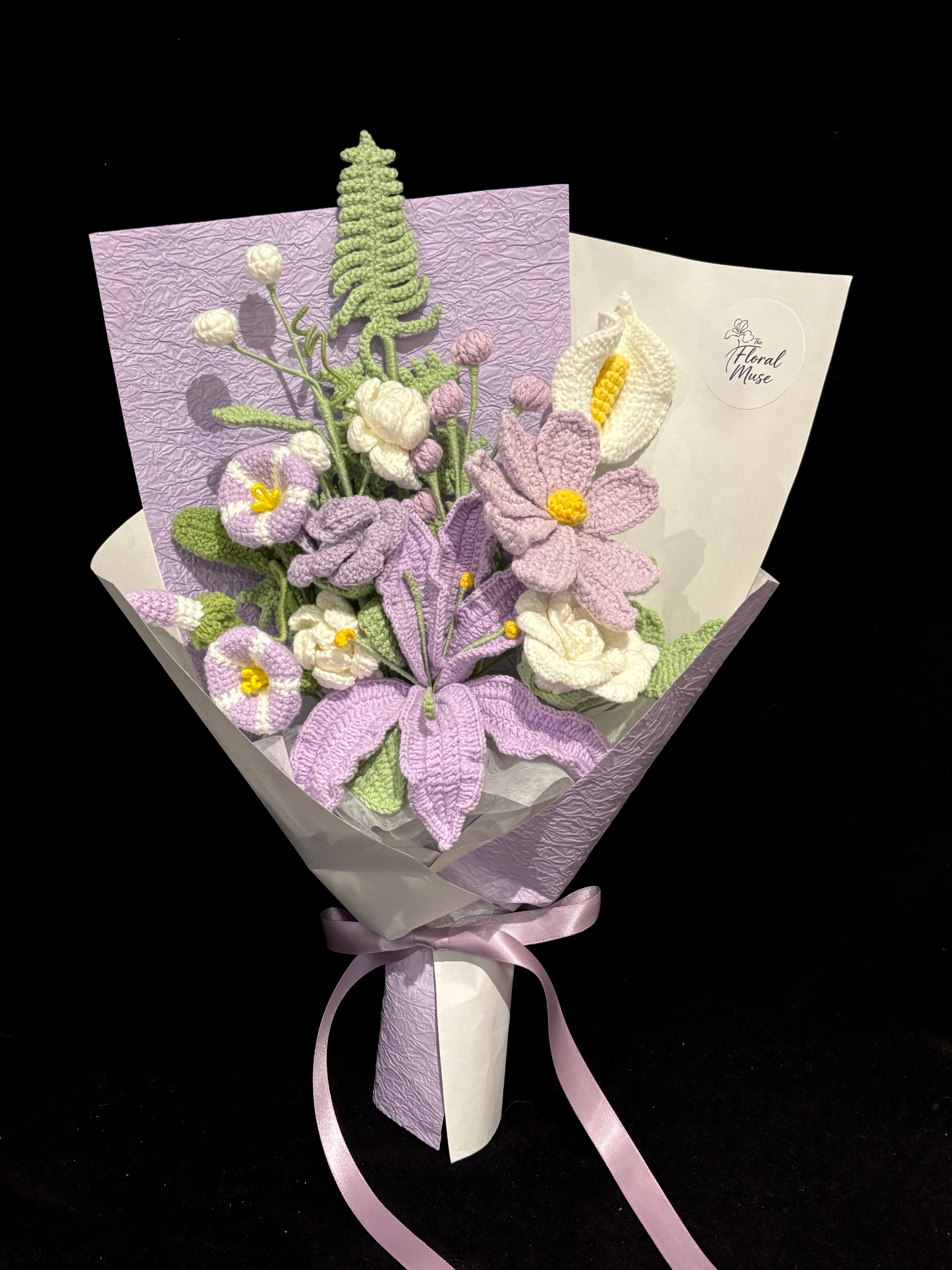
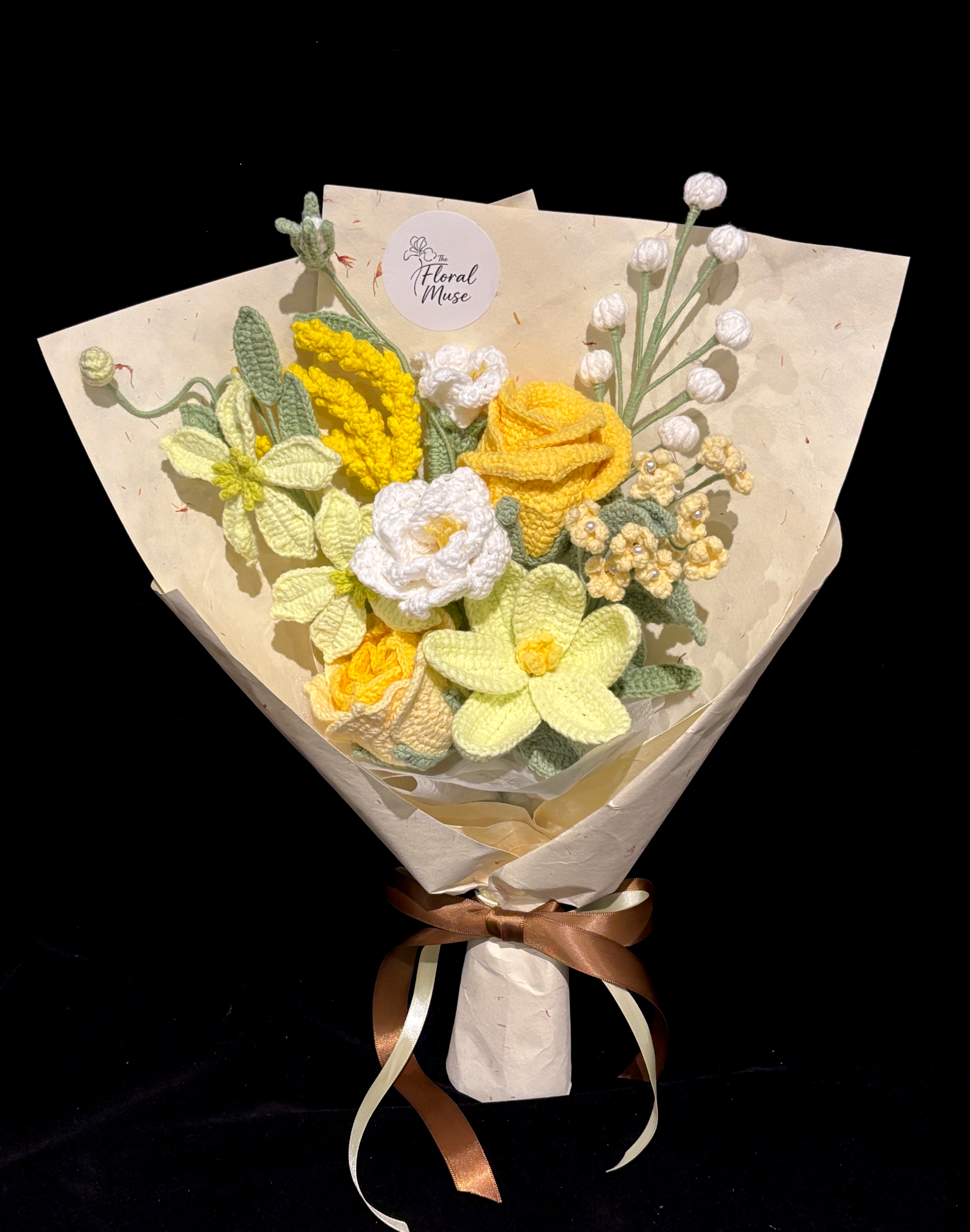
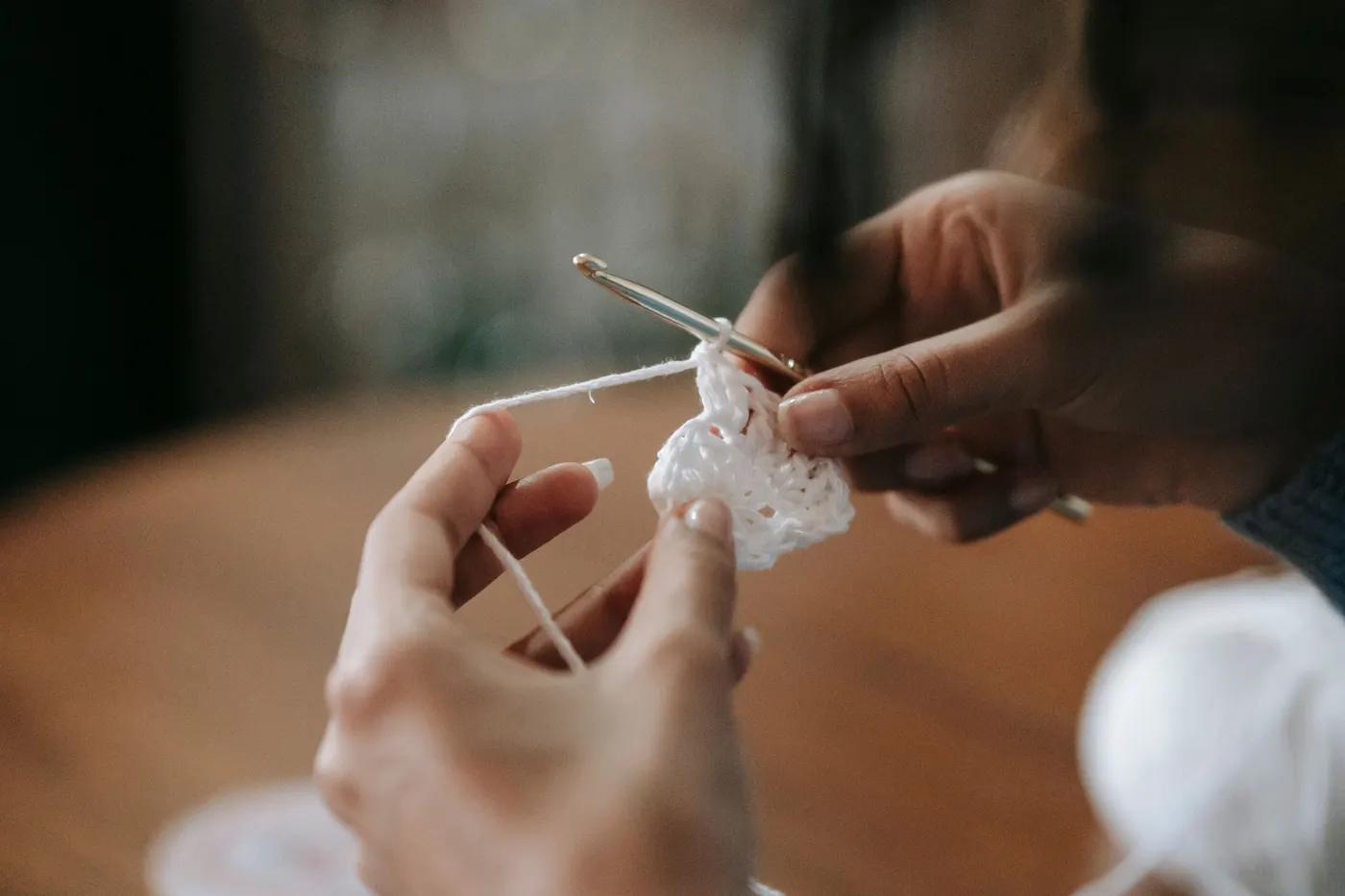
Where safety, allergies or simply a love of flowers that never fade is the priority, our handmade alternatives are the genuinely worry-free answer. Our hand-crocheted flowers are made from inert yarn — pollen-free, with nothing to wilt and nothing to ingest — while our preserved flowers are real blooms, hand-finished to last 3+ years — longer with proper care — releasing very little pollen (though, like any decoration, not edible). Both need no water, no re-cutting and no cool spot; a very occasional gentle dust is all the care they ask. They also travel beautifully, which is why we ship them right across the UK, while our fresh flowers are delivered locally across Leeds and West Yorkshire.
Ready to send something? Browse the full range in our shop, find the right sentiment on our flowers for every occasion pages — from birthdays to sympathy — or read a little more about us. There's no strict cut-off for same-day: get in touch and we'll do our best for same-day delivery across Leeds, subject to availability.
Frequently asked questions
How long should fresh flowers last?
With this routine — a clean vase, flower food, an angled re-cut and a cool spot away from fruit and heat — you can expect around 7–14 days of vase life with care. It varies by variety, so sturdier blooms sit at the longer end.
Do I really need the flower food, or will plain water do?
Plain water works, but flower food does noticeably better: it feeds the blooms, helps water travel up the stem and keeps bacteria down. Always use the sachet you're given, and reach for a fresh one rather than a kitchen-cupboard 'hack'.
How often should I change the water?
Every two to three days, and sooner if it turns cloudy. Rinse the vase, top up the flower food and snip another centimetre off each stem at an angle while you're there.
Which flowers are safest around cats and dogs?
Roses, sunflowers, snapdragons, orchids, freesia and lisianthus are generally considered non-toxic, while lilies are highly toxic to cats and are best avoided entirely. Always check the ASPCA or Blue Cross lists and your vet, or choose our crochet flowers (pollen-free) or preserved flowers (very little pollen) for complete peace of mind.
Shop our flowers
More guides
Vase Life by Flower Type: A Reference
A quick reference to the typical vase life of common cut flowers, from long-lasting carnations and orchids to fleeting sweet peas — plus the care that helps every bloom reach the top of its range.
Winter & Christmas Flowers
Winter has its own quiet glamour — amaryllis, hellebores, ranunculus and fragrant evergreens. Here's what's in season, how to gift it, an honest note on poinsettia and pet safety, and why it pays to order ahead for the festive peak.
Why Seasonal Flowers Are Fresher & Greener
Seasonal and locally handled flowers arrive fresher, last longer in the vase and tread more lightly on the planet. Here's why — plus worry-free crochet and preserved options that never fade.
Ready to buy? Flower care guide.
Ready to order? Browse our shop, read more guides, or get in touch about a bespoke arrangement.
You might also like our same-day flower delivery in Leeds, our flower care guide, our everlasting crochet flowers shipped UK-wide, or shop flowers by occasion.