
Vase Life by Flower Type: A Reference
The Floral Muse6 min readUpdated
On this page
'How long will these last?' is the question we're asked most often at our Leeds studio — and the honest answer is 'it depends on the flower.' A good, well-conditioned bunch of fresh flowers will give you 7–14 days with care, but within that window each variety keeps its own timetable. A carnation can still look crisp when a tulip alongside it has already bowed out.
This is a quick reference to the typical vase life of the blooms we work with most. Treat every figure as a range, not a promise: freshness on arrival, the warmth of your room and how you look after the stems all move the dial. Where you want longevity above everything, we'll point you to the varieties — and the everlasting options — that go the distance.
How to read these ranges
The numbers below assume flowers that were fresh when they reached you and are given basic care: clean water, a cool spot and a recut on arrival. Under those conditions, most mixed bouquets sit comfortably in that 7–14 day band, with the hardier stems carrying the arrangement well past the delicate ones.
A single guaranteed number would be misleading — a rose in a cool hallway behaves very differently from one on a sunny windowsill above a radiator. So we quote ranges, and we'd always rather set a realistic expectation than an optimistic one.
Vase life by flower type
Grouped from longest-lasting to most fleeting. All of these can feature in our fresh arrangements for Leeds and West Yorkshire delivery.
The marathon runners (often 10–14 days)
- Orchids (cut stems) — 10–14 days; among the longest-lasting cut flowers there are.
- Chrysanthemums — 10–14 days; tough, generous and slow to fade.
- Carnations — 10–14 days; often outlast everything else in the vase.
- Alstroemeria (Peruvian lily) — 10–14 days; keeps opening fresh buds as older blooms drop.
- Lisianthus — 7–10 days; rose-like and reliably long-lived.
- Eucalyptus & hardy foliage — often the full 10–14 days; the greenery usually outlives the flowers entirely.
The steady middle (roughly 5–10 days)
- Lilies — 8–12 days; buds open in sequence for a long display.
- Sunflowers — 6–12 days; thirsty, so top the water up often.
- Roses — 5–10 days; a firm, tight head lasts noticeably longer than an open one.
- Gerbera — 5–8 days; happier in shallow, very clean water.
- Freesia — 5–8 days; wonderfully scented as the florets open.
- Snapdragons — 5–8 days; the lower florets fade first.
- Anemones — 5–8 days; keep growing and drinking after cutting.
The fleeting favourites (about 3–7 days)
- Tulips — 5–7 days; they keep growing and bending towards the light, which is part of their charm.
- Peonies — 5–7 days; buy them in tight bud for the fullest show.
- Ranunculus — 5–7 days; delicate, papery layers.
- Hydrangea — 5–7 days; exceptionally thirsty and prone to wilting if it runs dry.
- Daffodils — 5–7 days; give them their own vase (their sap shortens other flowers' lives).
- Sweet peas — 3–5 days; brief but beautifully fragrant.
What actually shifts the numbers
The variety sets the ceiling; care decides whether you reach it. A few habits make the biggest difference:
- Recut the stems at an angle before they go in the vase, and again every couple of days.
- Change the water when it clouds, and strip any leaves that would sit below the waterline — that's where bacteria breed.
- Keep them cool. Away from radiators, direct sun and the fruit bowl (ripening fruit gives off ethylene, which ages flowers fast).
The single most useful thing you can do is give thirsty stems — hydrangea, sunflowers, tulips — plenty of fresh, clean water. Most 'early' wilting is simply dehydration.
For the full method, see our flower care guide: clean water, a cool spot and a fresh recut on arrival will carry most stems to the top of their range, and coaxing a flagging bloom back to life is often simpler than you'd expect. If you're choosing a bouquet specifically for longevity, you'll find more in our flower-care guides.
A note on pets, allergies and everlasting flowers
Vase life isn't the only consideration in some homes. If you share yours with cats or dogs, a few common cut flowers are best avoided: true lilies (Lilium and Hemerocallis) are highly toxic to cats, and tulips, daffodils, hyacinth, hydrangea, chrysanthemum, ranunculus and ivy are commonly listed as toxic or irritant to cats and/or dogs. Others — roses (true Rosa), sunflowers, snapdragons, orchids, freesia and lisianthus — are generally considered non-toxic. This is general guidance, not a medical guarantee: always check the ASPCA or Blue Cross plant lists, or ask your vet, before bringing greenery into a pet home.
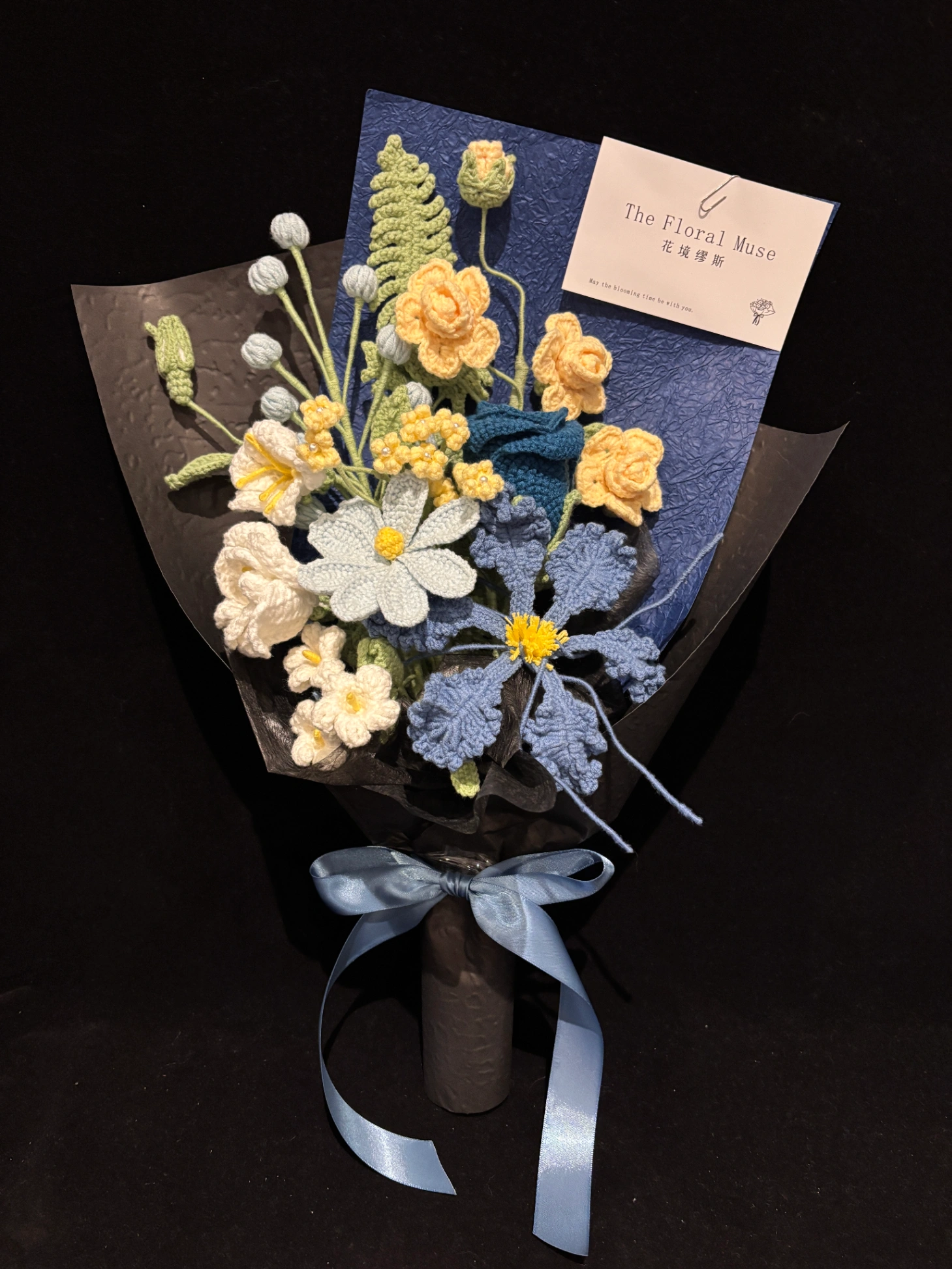
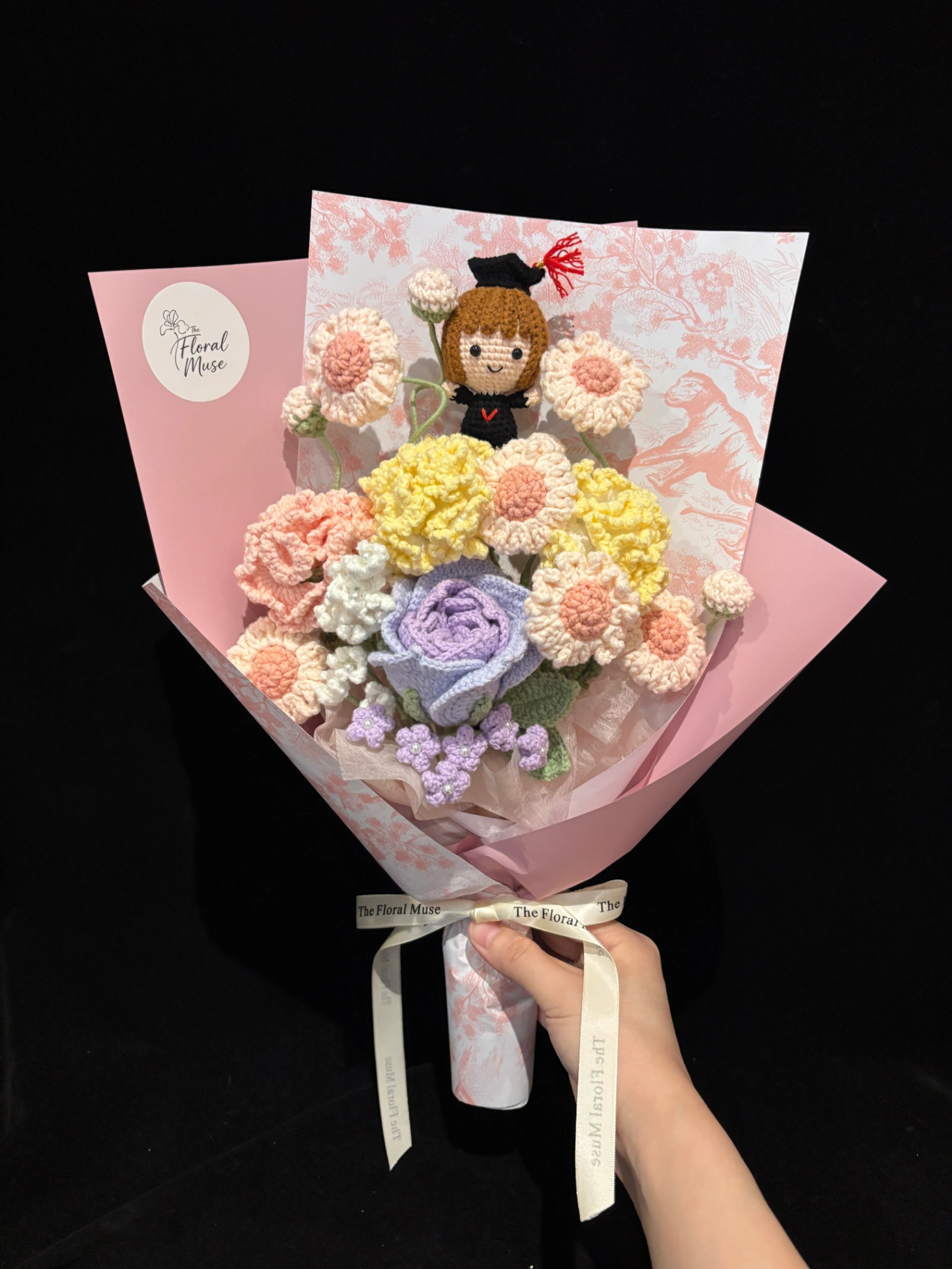
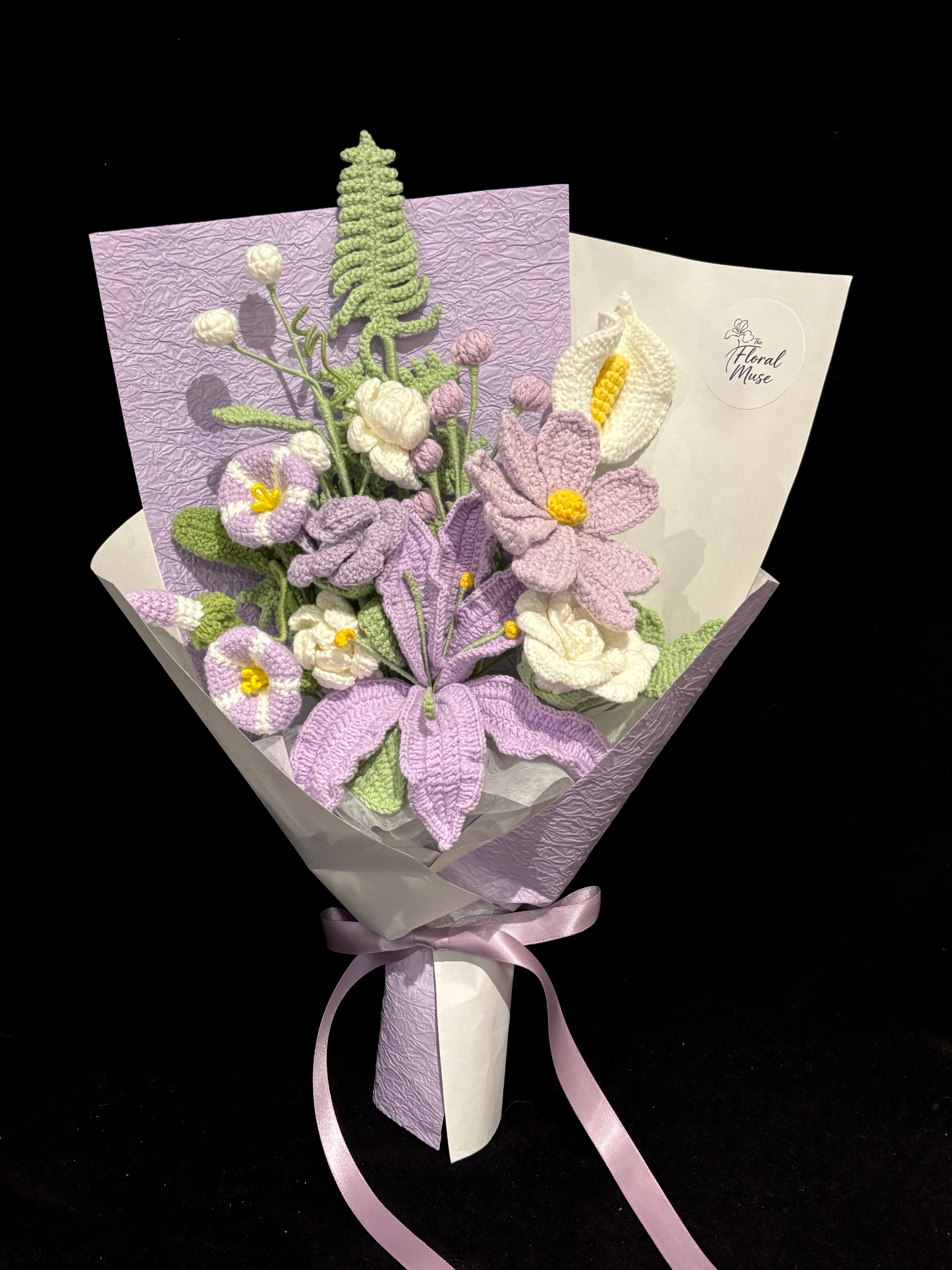
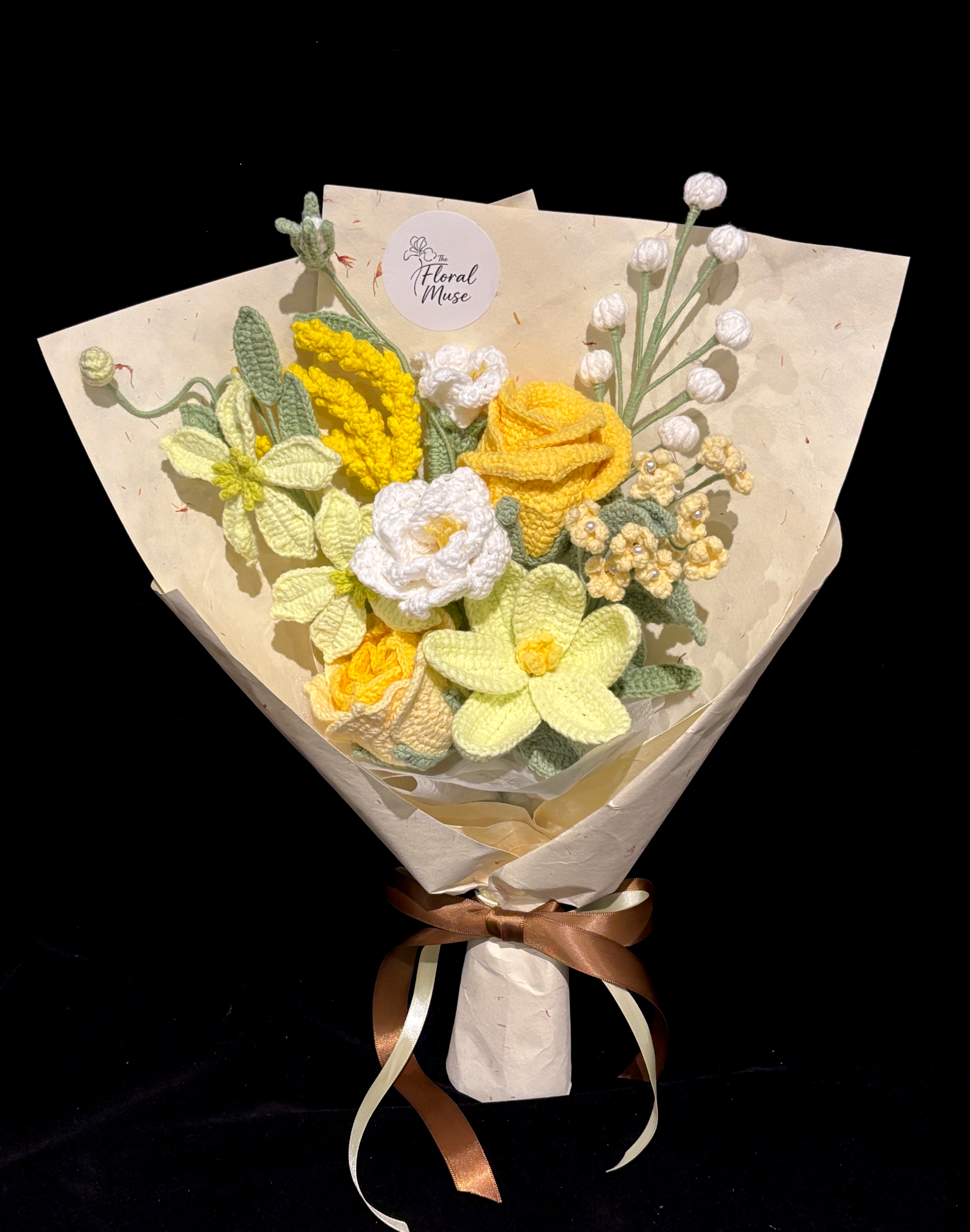
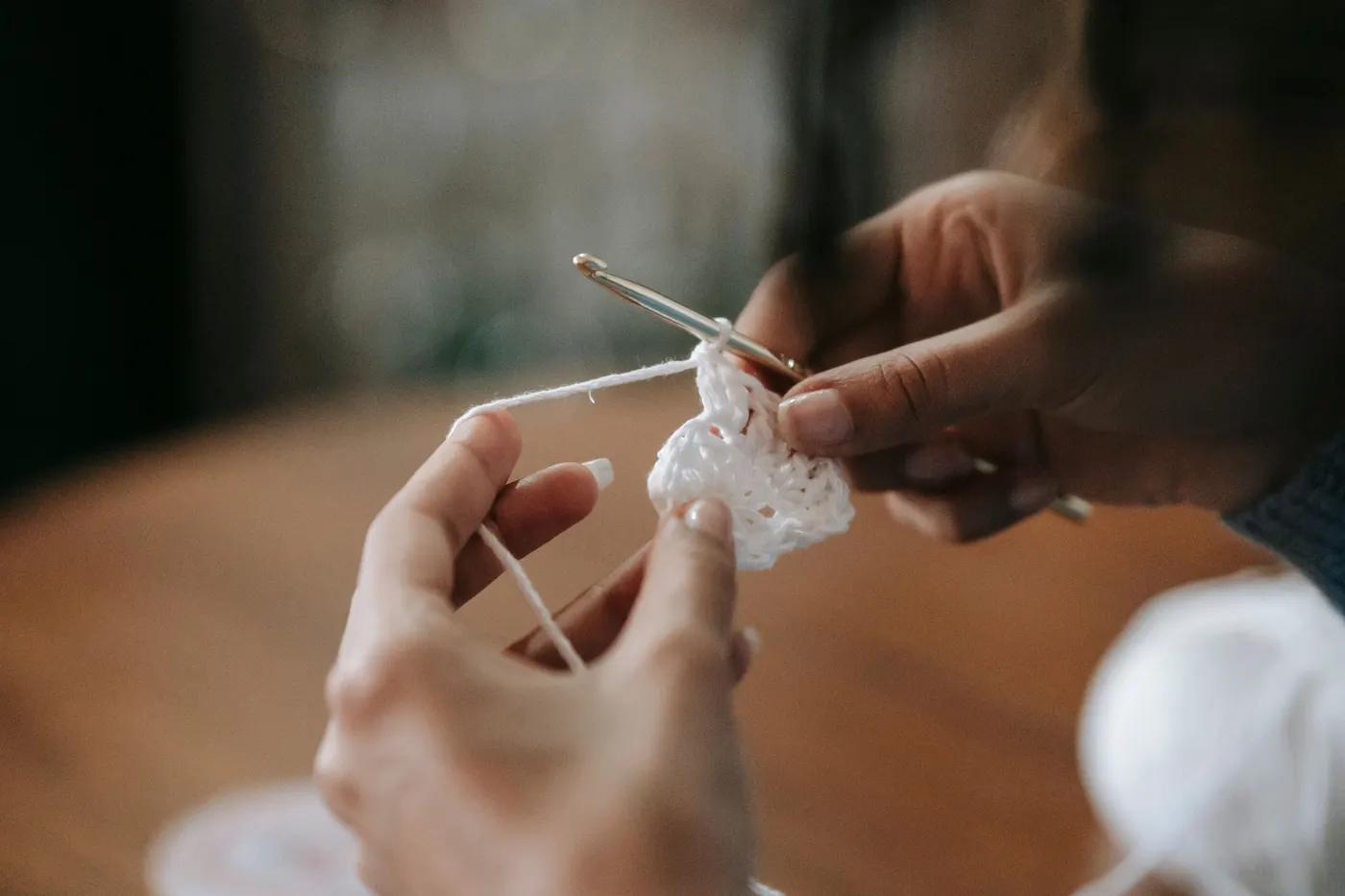
Where safety, allergies or sheer longevity matter most, there's a lovely alternative with no vase life to track at all: our everlasting flowers. Our hand-crocheted flowers are made from inert yarn — pollen-free, with nothing to ingest — and our preserved flowers release very little pollen (beautiful, but not edible). Both are handmade to order and shipped UK-wide, and both simply last. If a worry-free bouquet is the goal, our allergy-friendly options are a gentle place to start.
Whatever you're marking, you can browse the full range in our shop or by occasion under flowers for. For fresh flowers there's no strict cut-off — get in touch and we'll do our best for same-day delivery across Leeds, subject to availability. For dated occasions and peak seasons, we dispatch promptly and always recommend ordering ahead.
Frequently asked questions
What's the average vase life of fresh flowers?
With good care, expect 7–14 days from a well-conditioned bouquet. The exact figure depends on the varieties in the mix — hardy stems like carnations and chrysanthemums can push towards the top of that range, while delicate blooms fade sooner.
Why didn't my flowers last as long as the range says?
Usually it's warmth, dehydration or dirty water. Keep the vase cool and out of direct sun, top up thirsty stems, change the water when it clouds, and keep flowers away from the fruit bowl — ripening fruit releases a gas that ages them quickly.
Which cut flowers last the longest?
Orchids, chrysanthemums, carnations and alstroemeria are among the most reliable, often lasting a full 10–14 days with good care. Delicate blooms like sweet peas and ranunculus are more fleeting. For more on getting the best from every stem, see our flower care guide .
Do crochet and preserved flowers have a vase life?
No — that's rather the point of them. Our hand-crocheted and preserved flowers don't wilt or drop, so there's no water to change and no timetable to watch. They make a lovely everlasting keepsake and a worry-free choice in homes with pets or allergies.
Shop our flowers
More guides
The Ultimate Flower Care Guide
A florist's complete routine for fresh flowers — unwrapping, a clean vase, flower food, an angled re-cut and the right cool spot — plus the worry-free, no-care alternatives when safety or longevity matters.
Winter & Christmas Flowers
Winter has its own quiet glamour — amaryllis, hellebores, ranunculus and fragrant evergreens. Here's what's in season, how to gift it, an honest note on poinsettia and pet safety, and why it pays to order ahead for the festive peak.
Why Seasonal Flowers Are Fresher & Greener
Seasonal and locally handled flowers arrive fresher, last longer in the vase and tread more lightly on the planet. Here's why — plus worry-free crochet and preserved options that never fade.
Ready to buy? Flower care guide.
Ready to order? Browse our shop, read more guides, or get in touch about a bespoke arrangement.
You might also like our same-day flower delivery in Leeds, our flower care guide, our everlasting crochet flowers shipped UK-wide, or shop flowers by occasion.