
Flower-Care Myths: Sugar, Aspirin, Bleach & Lemonade
The Floral Muse6 min readUpdated
On this page
Every florist hears the same confident advice at the counter: drop a coin in the water, crush an aspirin, add a splash of lemonade, and your bouquet will last for weeks. Some of these old tricks contain a grain of truth; others are harmless but useless; a couple can genuinely shorten the life of your flowers. As an independent Leeds studio that makes fresh, hand-crocheted and preserved flowers every day, we'd rather be honest than mysterious about what actually keeps a vase looking good.
So here is the plain-English verdict on the four most common kitchen-cupboard hacks — sugar, aspirin, bleach and lemonade — plus what the little sachet of flower food is really doing, and the handful of habits that make a measurable difference.
What flower food actually does
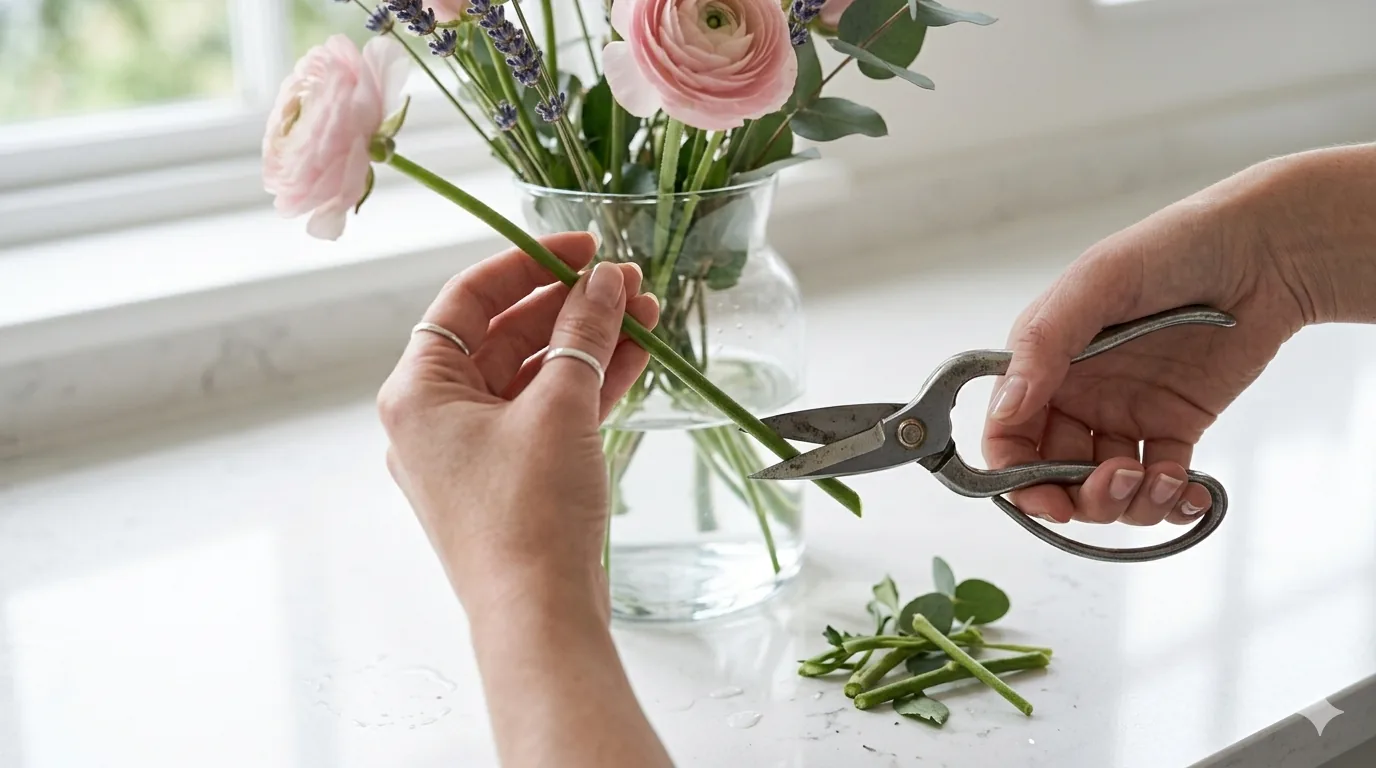
Before we judge the hacks, it helps to know what a proper sachet of flower food is designed to do. Commercial flower food isn't one magic ingredient — it's a balanced blend of three things, each solving a different problem:
- Sugar — an energy source. Cut stems can no longer make food through photosynthesis, so a measured dose of sugar feeds the blooms and helps buds open fully.
- An acidifier — usually citric acid. Slightly acidic water travels up the stem more easily than tap water, which improves hydration and stops heads drooping prematurely.
- A biocide — a tiny, precisely measured amount of a bacteria-controlling agent. Bacteria are the real enemy: they multiply in the water, block the stem's tiny channels, and starve the flower of the drink it desperately needs.
Every kitchen hack below is really an amateur attempt to recreate one of those three functions. The trouble is dosage. Flower food is calibrated to the volume of water; a cupboard remedy is a guess — and with the biocide especially, a wrong guess does harm.
The kitchen-cupboard hacks, honestly assessed
Sugar
Sugar alone is the classic example of a half-truth. Yes, it feeds the flowers — but on its own, sugar is also a feast for bacteria. Without something to keep that bacteria in check, sugary water turns cloudy and smelly within a day and blocks the stems faster than plain water would. Sugar only helps as part of a balanced mix, which is exactly why flower food pairs it with a biocide. On its own, skip it.
Aspirin
The theory is that aspirin (salicylic acid) acidifies the water and eases uptake. In practice the effect is weak and unreliable — a dissolved tablet lowers the pH far less predictably than the citric acid in flower food, and side-by-side comparisons generally favour proper flower food. It won't ruin your bouquet, but it isn't the miracle it's made out to be. A squeeze of fresh water and a clean vase will serve you better.
Bleach
Bleach is the one to treat with real caution. A single drop in a large vase can act as a biocide and keep the water clearer for longer — that part is true. But 'a drop' is almost impossible to judge by eye, and too much scorches the stems, yellows the foliage and can kill delicate blooms outright. The margin between 'helpful' and 'harmful' is tiny. If you want the bacteria-control benefit without the risk, use flower food, where the dose is done for you.
Lemonade
Lemonade is the folk remedy that comes closest to the real recipe: it contains sugar (food) and citric acid (an acidifier) in one go. The catch is the missing third ingredient — there's nothing to control bacteria — and the concentration is a total guess. Full-sugar lemonade at roughly a splash to a vase of water can give a short-lived lift, but diet versions add nothing useful, and either way the water still needs changing often. It's better than plain sugar, no substitute for the real thing.
The honest headline: none of these beats the free sachet that comes with your bouquet. If you've lost it, the best 'hack' isn't in the cupboard at all — it's clean water and a sharp cut.
What genuinely helps
Here is where your effort is actually rewarded. None of it is glamorous, but together these habits are the difference between three days and the full 7–14 days you can reasonably expect from fresh flowers with care:
- Start with a spotless vase. Wash it with hot soapy water before every use. Yesterday's bacteria is the fastest way to shorten this week's bouquet.
- Cut the stems at an angle. Trim 2–3cm off each stem on a diagonal with sharp scissors or a knife. The angle stops stems sitting flat on the base and exposes more surface to drink through.
- Strip the lower leaves. Any foliage sitting below the waterline will rot and feed bacteria. Remove it.
- Use the flower food properly. Dissolve the whole sachet in the recommended volume of cool water — not a pinch, not a double dose.
- Refresh every couple of days. Change the water, rinse the vase and re-cut the stems. This single habit outperforms every additive combined.
- Mind the position. Keep the vase out of direct sun, away from radiators and draughts, and — crucially — away from the fruit bowl. Ripening fruit releases ethylene gas, which ages flowers fast.
Want the full method rather than the myth-busting version? Our flower care guide walks through the whole routine step by step, and you'll find more tips and seasonal rescue techniques in our flower care collection on the blog.
When you'd rather skip the science entirely
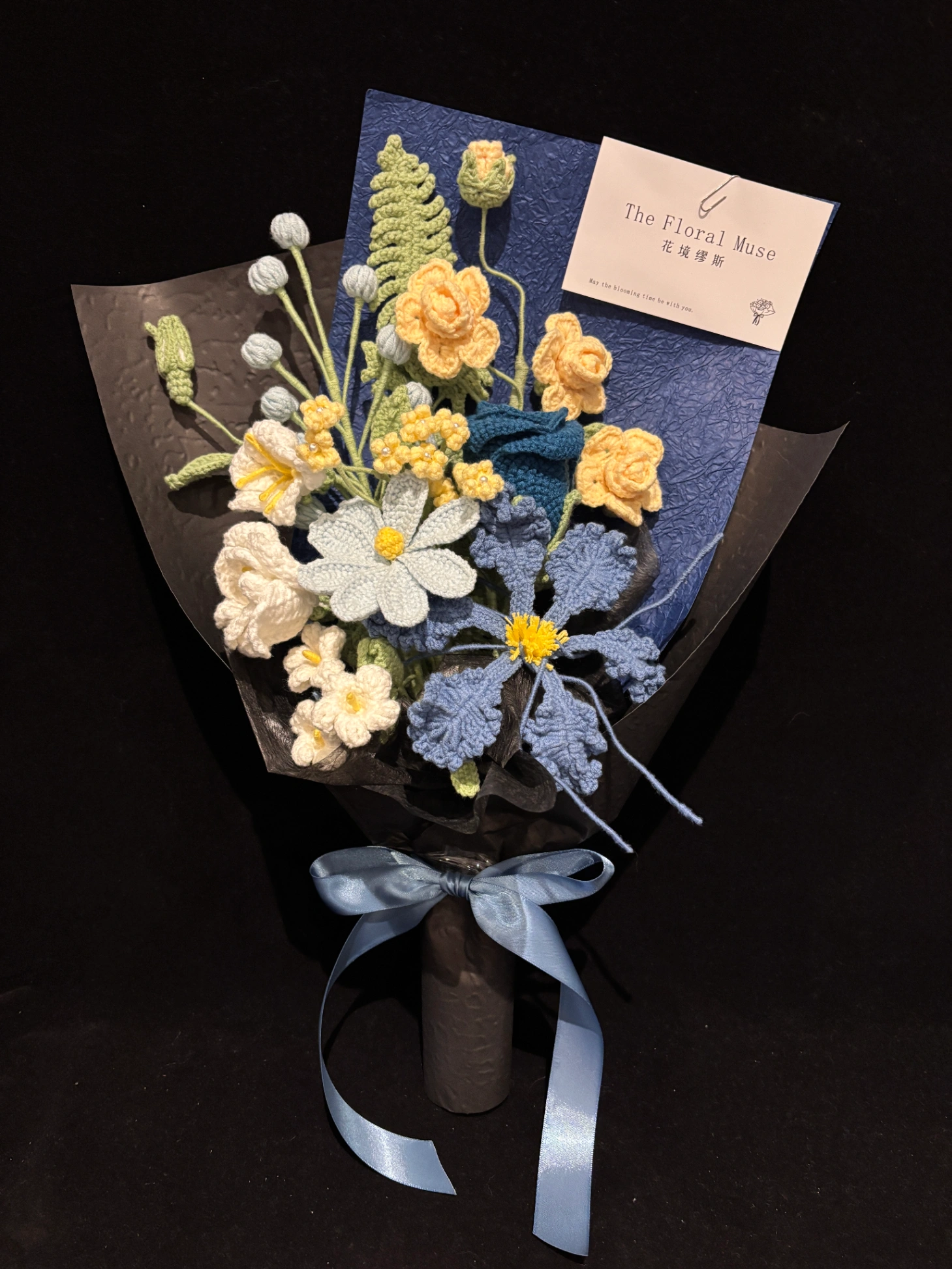
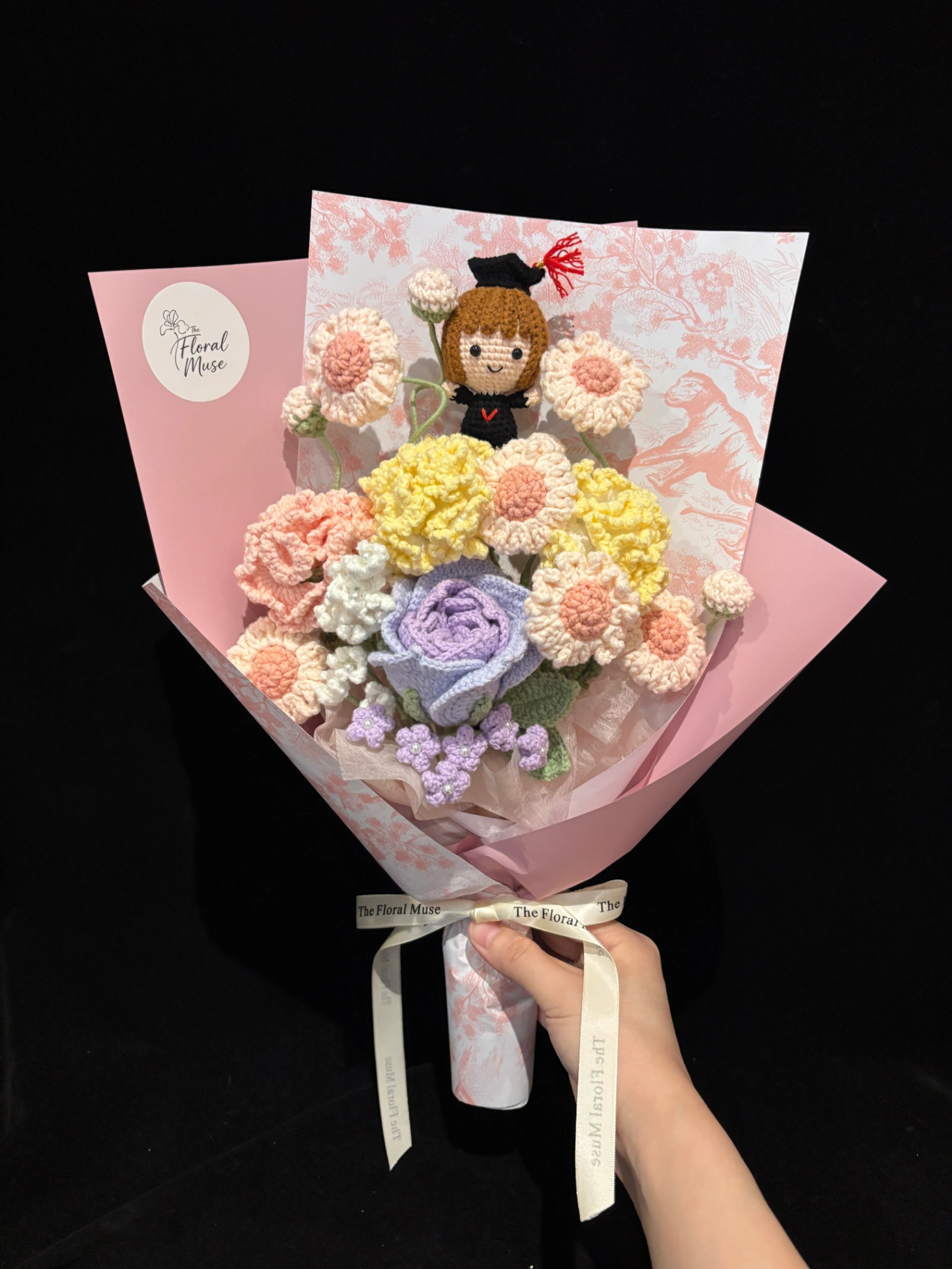
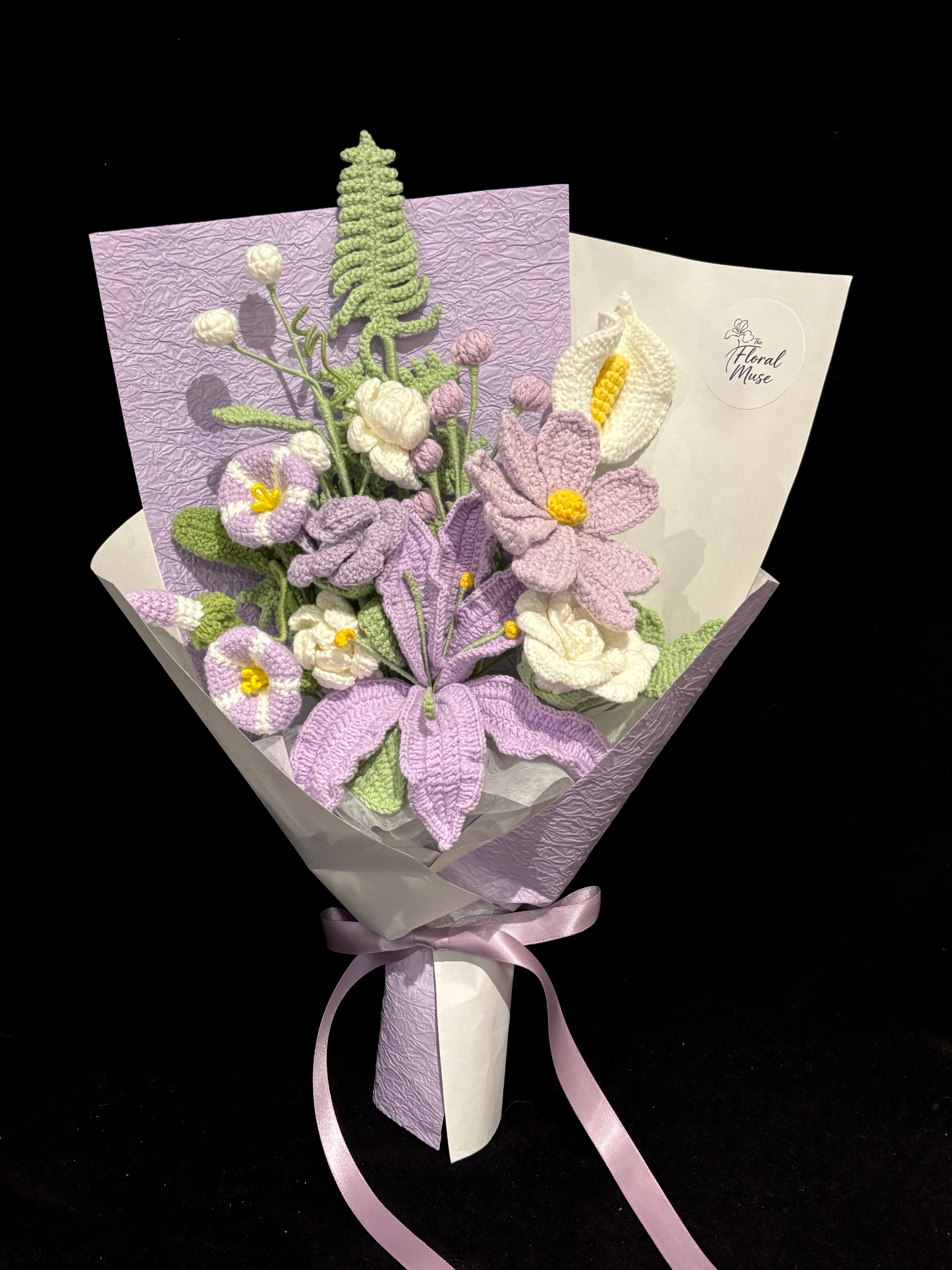
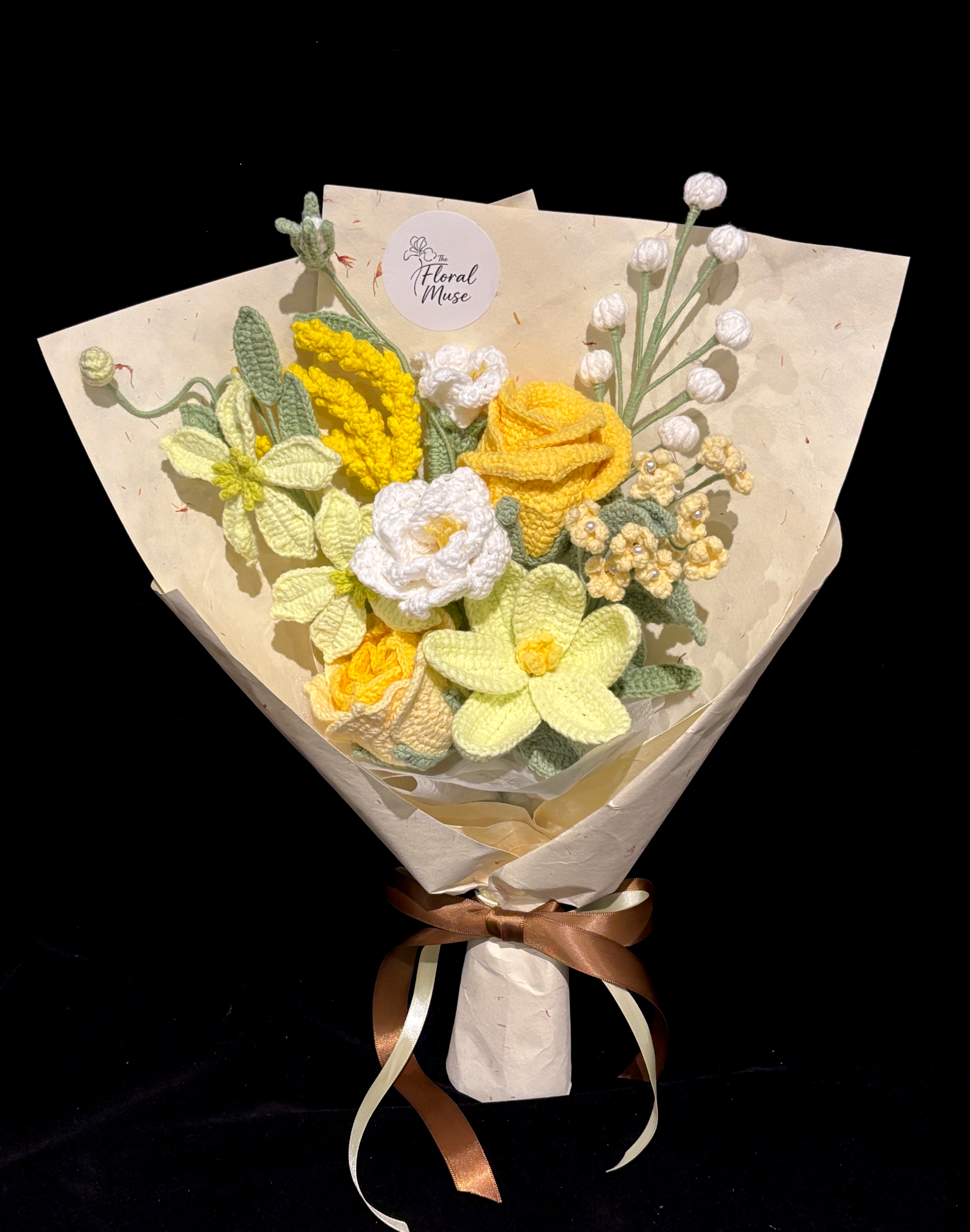
Sometimes the appeal of flowers is that they simply stay beautiful with no fuss at all — and that's exactly what our handmade alternatives are for. Our hand-crocheted flowers are made from inert yarn: pollen-free, nothing to wilt, nothing to ingest, and no water to change. Our preserved flowers are real blooms, hand-finished to last for months — they release very little pollen and are not edible, so no cupboard remedies required. Both are a thoughtful, worry-free choice where allergies or curious pets are a concern (always check a plant against your vet or the ASPCA / Blue Cross lists if in doubt), and both ship UK-wide.
Whether you're after fresh flowers delivered across Leeds and West Yorkshire or something everlasting posted anywhere in the country, you can browse the full collection here — and if you'd like something bespoke, just get in touch.
Frequently asked questions
Does adding sugar to the vase really make flowers last longer?
Only as part of a balanced mix. On its own, sugar feeds bacteria as much as it feeds the flowers, so the water turns murky and the stems clog. Proper flower food pairs sugar with an acidifier and a bacteria-controlling agent, which is why it works and plain sugar doesn't.
Is it safe to put bleach in flower water?
A single drop can help control bacteria, but the safe dose is almost impossible to judge and too much scorches stems and foliage. We'd steer you to flower food instead, where the amount is measured for you — the benefit without the risk.
What's the best thing I can do if I've lost the flower food sachet?
Forget the cupboard tricks and focus on the basics: a spotless vase, cool fresh water, an angled cut, no leaves below the waterline, and a full water change every couple of days. That routine does more than any additive.
Which flowers last longest so I need to worry about all this less?
Some varieties are naturally far more forgiving in a vase — sturdy stems like chrysanthemums, alstroemeria and carnations tend to go the distance, though every fresh bouquet gives you roughly 7–14 days with care. And for zero upkeep, our everlasting crochet and preserved flowers need no water at all.
Shop our flowers
More guides
Vase Life by Flower Type: A Reference
A quick reference to the typical vase life of common cut flowers, from long-lasting carnations and orchids to fleeting sweet peas — plus the care that helps every bloom reach the top of its range.
The Ultimate Flower Care Guide
A florist's complete routine for fresh flowers — unwrapping, a clean vase, flower food, an angled re-cut and the right cool spot — plus the worry-free, no-care alternatives when safety or longevity matters.
Winter & Christmas Flowers
Winter has its own quiet glamour — amaryllis, hellebores, ranunculus and fragrant evergreens. Here's what's in season, how to gift it, an honest note on poinsettia and pet safety, and why it pays to order ahead for the festive peak.
Ready to buy? Flower care guide.
Ready to order? Browse our shop, read more guides, or get in touch about a bespoke arrangement.
You might also like our same-day flower delivery in Leeds, our flower care guide, our everlasting crochet flowers shipped UK-wide, or shop flowers by occasion.