
Pet-Safe Flowers: Which Are Toxic to Cats & Dogs
The Floral Muse6 min readUpdated
On this page
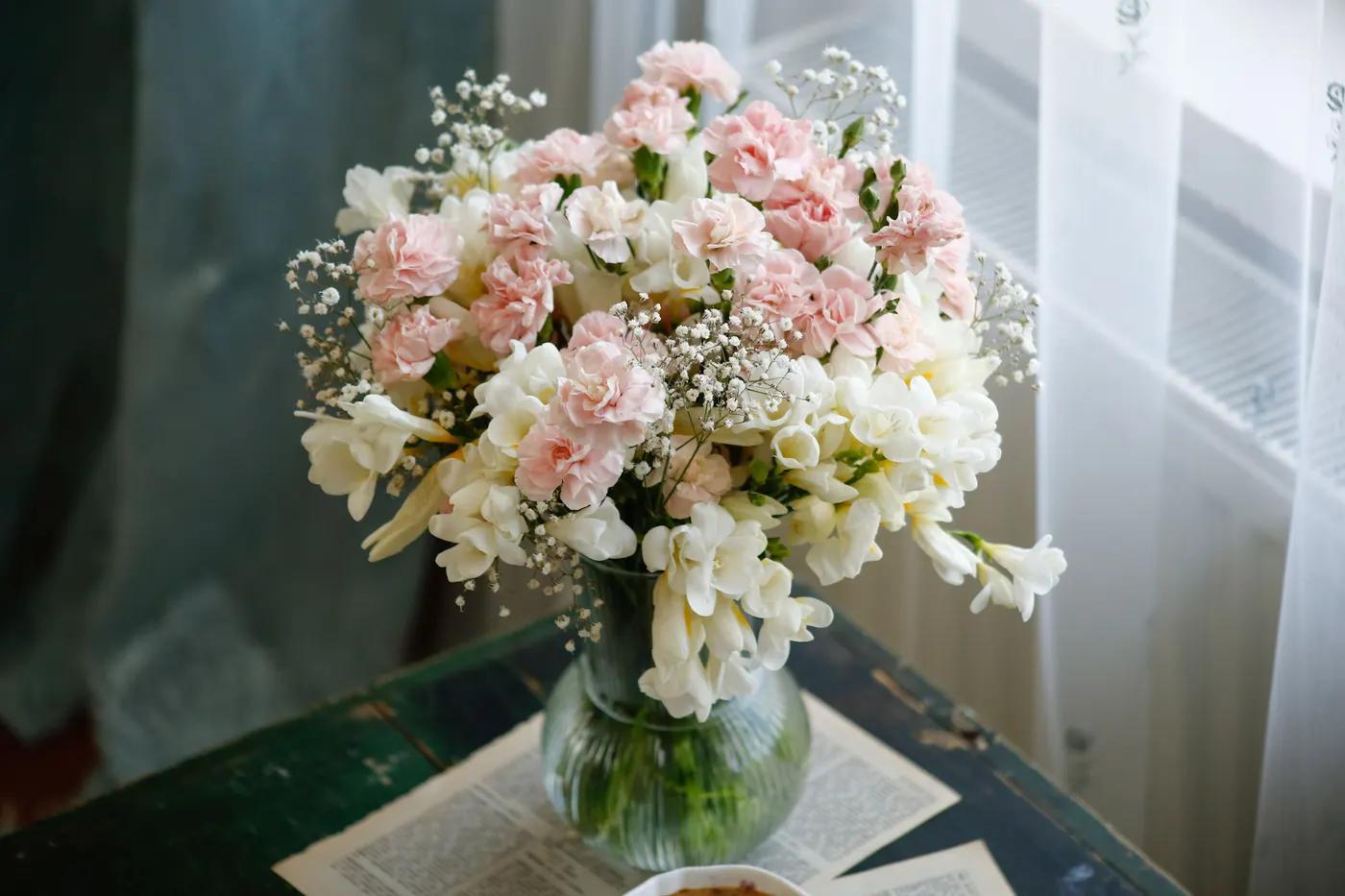
A jug of fresh flowers on the kitchen table is one of life's small joys — but if you share your home with a curious cat or an enthusiastic dog, a bouquet is also something to think twice about. Some of the loveliest blooms are surprisingly hazardous to pets, and a nibbled petal can turn a nice afternoon into a worried dash to the vet. The good news is that a little knowledge goes a long way, and there are genuinely beautiful gifts that carry no ingestion risk at all.
Below is a careful, honest guide to which flowers are commonly flagged as toxic to cats and dogs, which are generally considered safe, and what to do if the worst happens. Please treat everything here as guidance rather than a medical guarantee — always confirm against your vet or an authoritative plant list before bringing any flower into a home with animals.
Lilies and cats: the warning that matters most
If you remember one thing from this article, make it this: true lilies (Lilium) and daylilies (Hemerocallis) are highly toxic to cats. This is not a mild tummy upset — every part of the plant is dangerous, including the leaves, petals, pollen and even the water in the vase. A cat that brushes past the flowers and later grooms pollen from its fur can be affected, so simply keeping the vase 'out of reach' is not enough.
If you own a cat, the safest approach is to keep true lilies and daylilies out of the house entirely. When you order flowers, ask for a lily-free arrangement — most florists, ourselves included, are very happy to oblige.
Dogs are less severely affected by lilies than cats, but the plant can still cause stomach upset, so it is best avoided in any pet household.
Flowers commonly listed as toxic or irritant
Alongside lilies, several popular seasonal flowers appear regularly on veterinary caution lists. Reactions range from drooling and mild stomach upset to more serious effects, and severity depends on the animal, the amount eaten and the specific plant. Commonly flagged blooms and plants include:
- Tulips — the bulb is the most toxic part, but the flower and stem can irritate too.
- Daffodils — bulbs especially; can cause vomiting and worse if eaten in quantity.
- Hyacinth — similar bulb-related risks to daffodils and tulips.
- Hydrangea — the leaves and flowers can cause stomach upset.
- Chrysanthemum — a very common bouquet filler, but an irritant to both cats and dogs.
- Ranunculus — pretty, layered petals, but listed as an irritant.
- Ivy — often used as trailing foliage; commonly flagged for both cats and dogs.
This is not an exhaustive list, which is exactly why cross-checking matters. Reputable, regularly updated resources such as the ASPCA and Blue Cross toxic-plant databases are the gold standard — and if you are unsure about a specific flower, your own vet is the best possible source of a definite answer.
Flowers generally considered safe
Happily, plenty of beautiful flowers are generally regarded as non-toxic to cats and dogs. 'Non-toxic' does not mean pets should be encouraged to snack on them — any plant matter can cause a mild upset — but these are widely considered lower-risk choices:
- Roses (true Rosa) — a classic, generally safe choice; just mind the thorns.
- Sunflowers — cheerful and generally non-toxic.
- Snapdragons — a lovely spire of colour with a good safety reputation.
- Orchids — elegant and generally considered pet-safe.
- Freesia — pretty and fragrant, generally non-toxic.
- Lisianthus — a rose-like alternative that is generally regarded as safe.
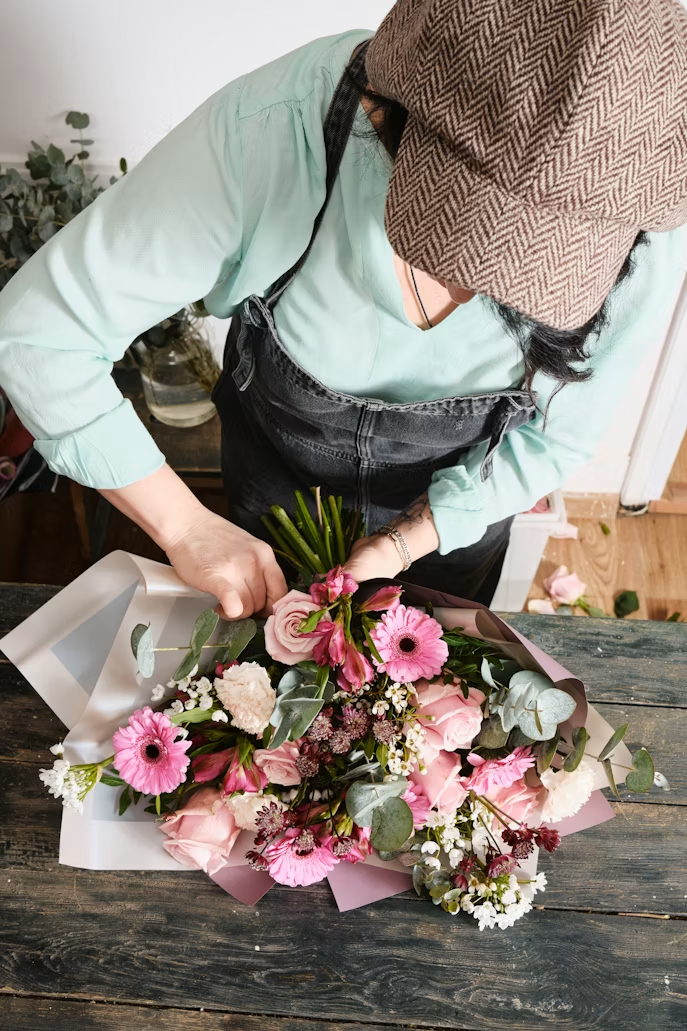
When we build a bespoke arrangement for a home with pets, we lean on flowers like these and simply leave the risky ones out. If you would like a lily-free, low-risk fresh bouquet delivered locally, tell us when you get in touch or browse our fresh flower range and we will tailor it. Fresh flowers are available for local Leeds and West Yorkshire delivery, and last 7–14 days with care.
What to do if your pet eats a plant
Even the most careful household can have an accident. If you suspect your cat or dog has eaten any part of a flower or plant, act promptly:
- Remove any remaining plant material from their reach so they cannot eat more.
- Note what they ate and roughly how much — a photo of the flower helps enormously.
- Contact your vet straight away, or an out-of-hours emergency vet. For a cat and lilies, treat it as an urgent emergency.
- Do not try to make your pet sick unless a vet specifically tells you to.
Fast action makes a real difference, so never wait to 'see how they get on' with a plant you know to be toxic.
The worry-free gift: crochet and preserved flowers
When safety is the whole point of the exercise — a gift for a friend with a house full of cats, or flowers for a home with a bulb-loving puppy — the simplest answer is a bloom that cannot be a hazard at all.
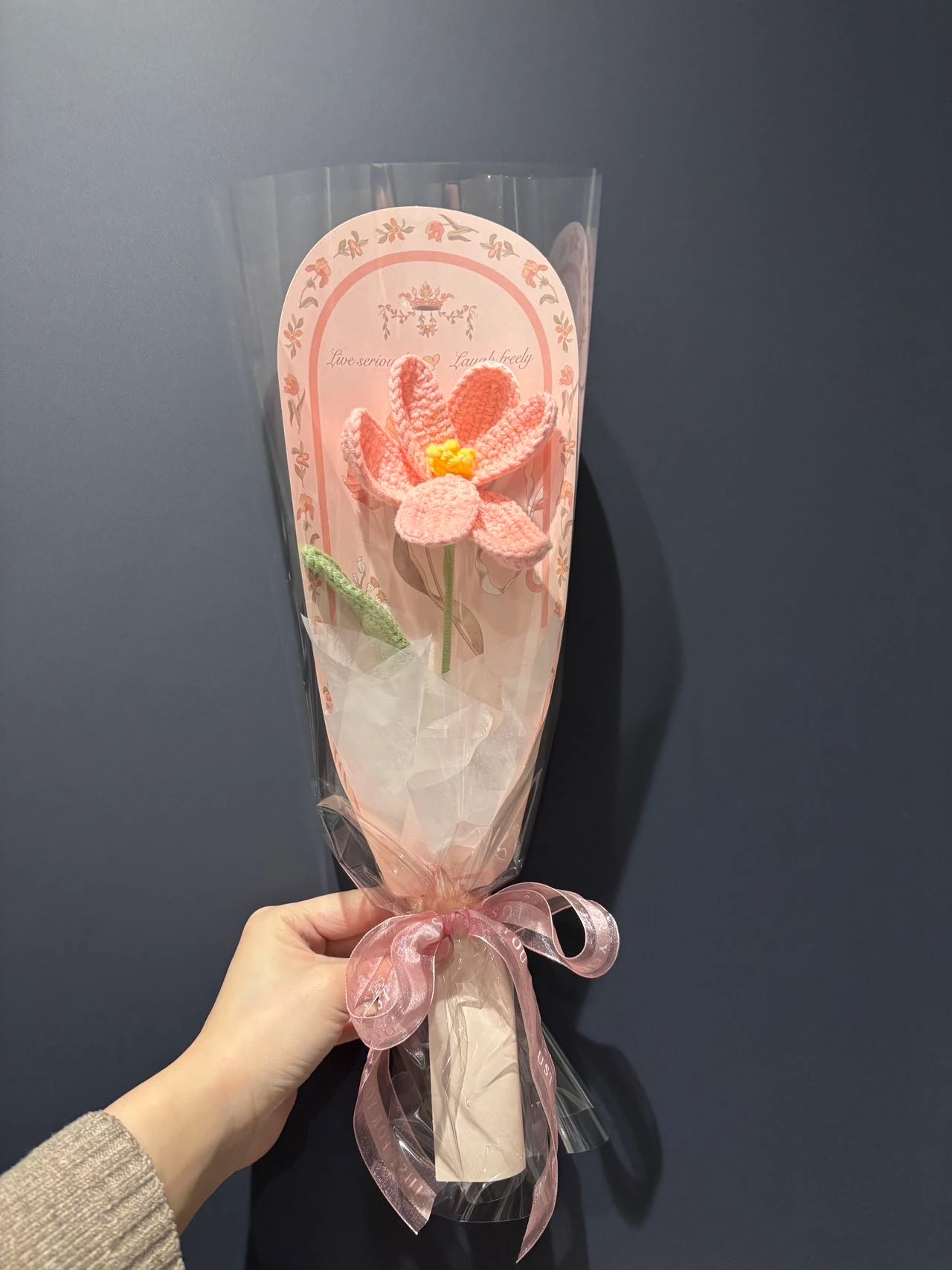
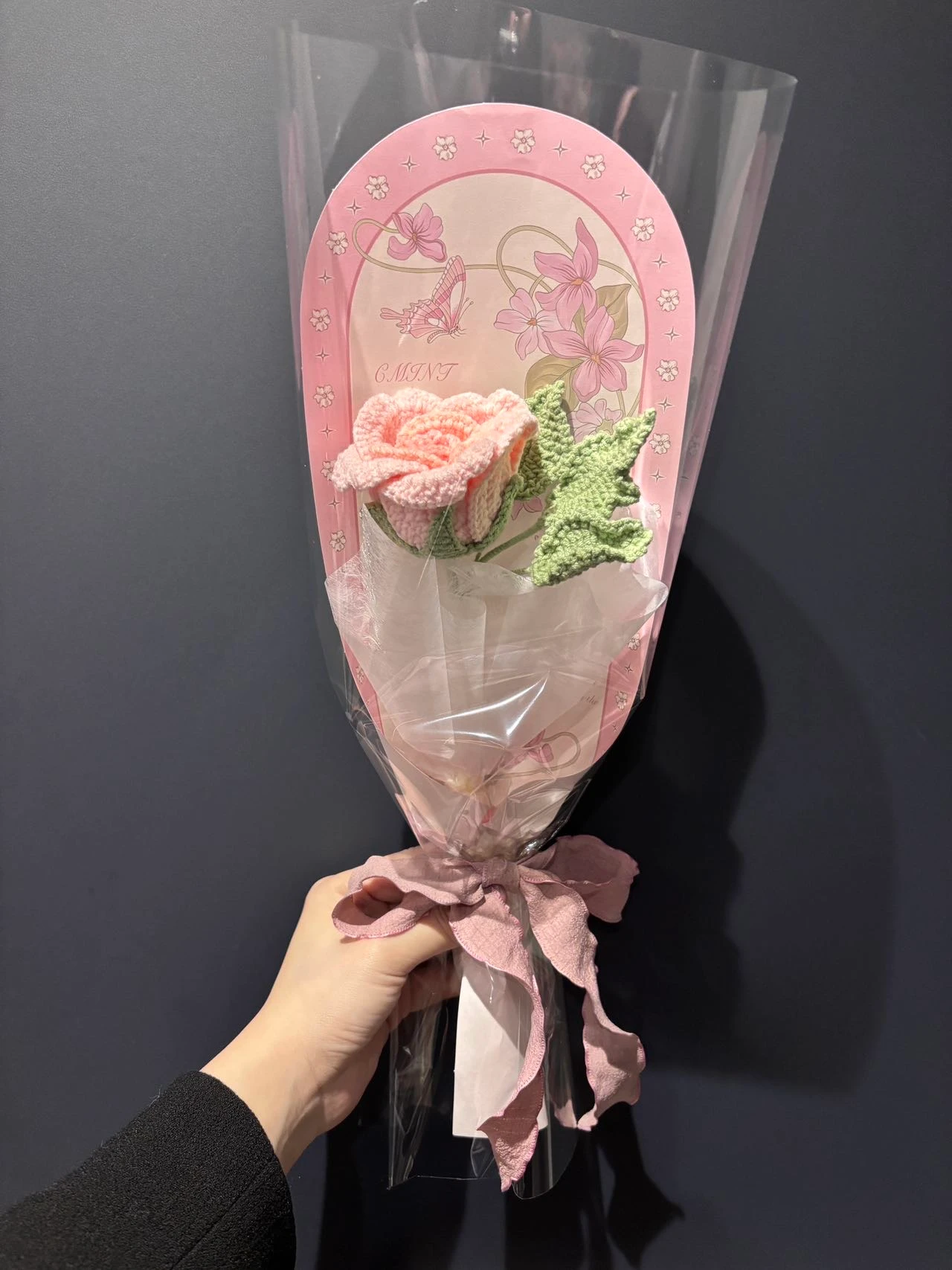
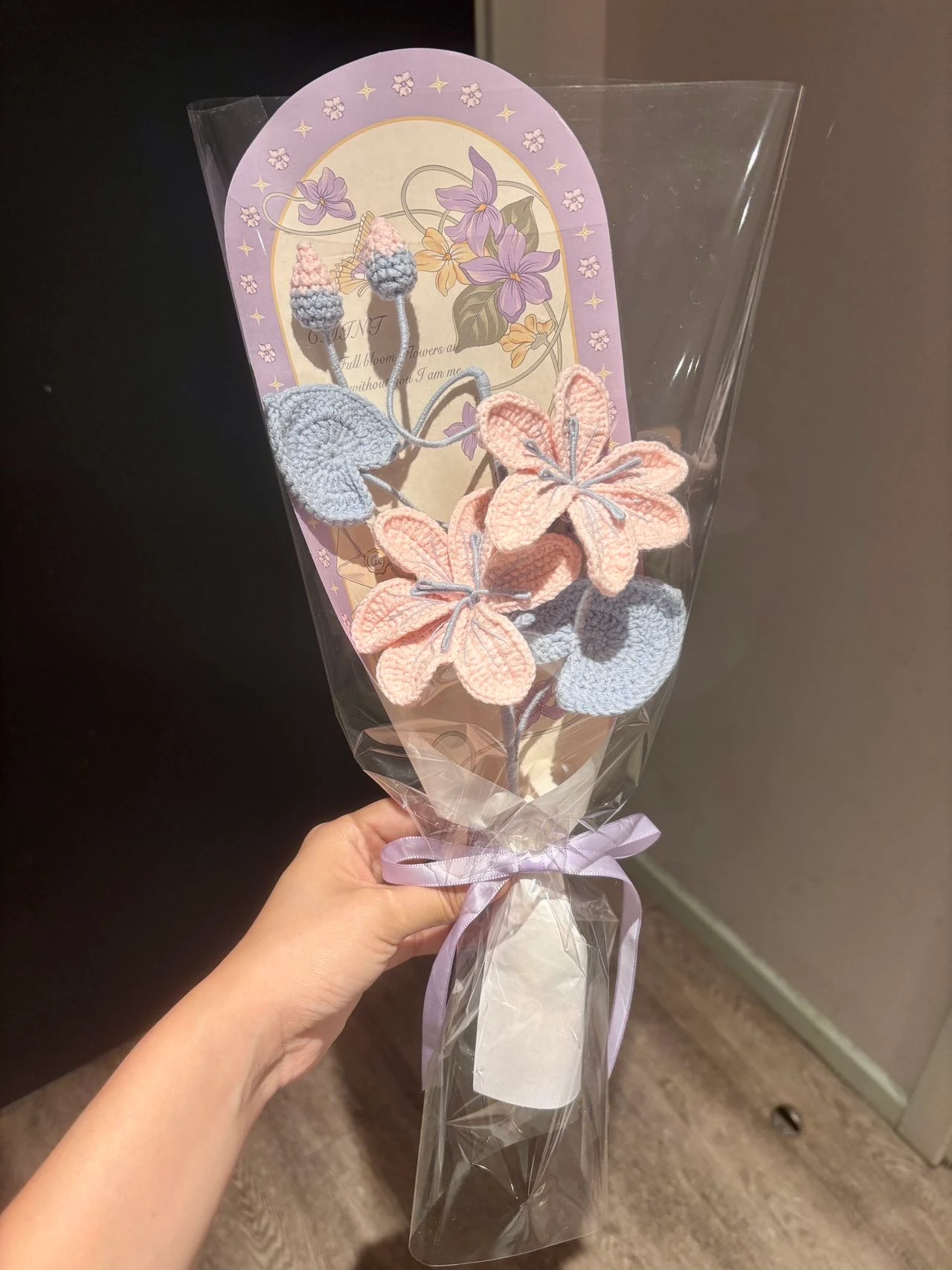
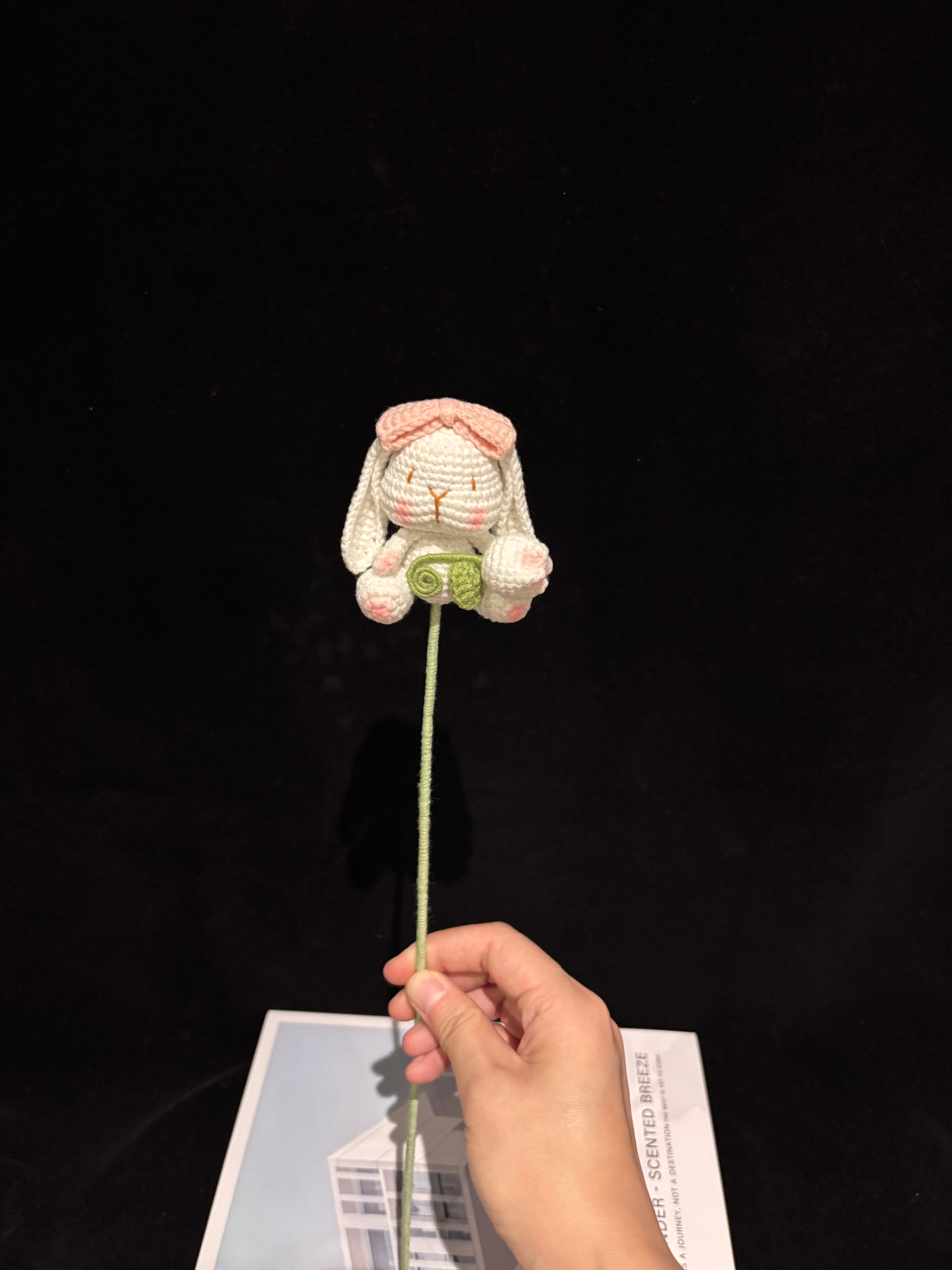
Our hand-crocheted flowers are made from soft, inert yarn. There is no pollen to shed, nothing to wilt and, crucially, nothing toxic to ingest — they are a genuinely worry-free choice around pets, and they last indefinitely as a keepsake. Because they are handmade to order, they can be shipped anywhere in the UK. Our preserved flowers release very little pollen and are, of course, not edible — though as with any object, they are best kept out of a determined chewer's reach.
For a deeper look at choosing blooms around both pets and hay-fever sufferers, our allergy-friendly bouquets are well worth exploring, and you will find more advice in our pet-safe & allergy-friendly guides. If it is a lasting keepsake you are after, browse our everlasting flowers guides. For keeping any fresh bouquet at its best, see our flower care guide.
Frequently asked questions
Are lilies really that dangerous to cats?
Yes. True lilies and daylilies are highly toxic to cats, and even pollen or vase water can cause serious harm. If you have a cat, keep them out of the home entirely and contact your vet immediately if exposure is suspected.
Which fresh flowers are safest for a home with pets?
Roses, sunflowers, snapdragons, orchids, freesia and lisianthus are generally considered non-toxic. We are always happy to build a lily-free, low-risk arrangement — just let us know your household when you order.
Are crochet flowers safe around cats and dogs?
Crochet flowers are made from inert yarn with no pollen and nothing toxic to ingest, which makes them a wonderfully worry-free gift for pet owners. As with any small object, keep them from being chewed and swallowed.
How can I be certain a particular flower is safe?
Always check an authoritative source such as the ASPCA or Blue Cross toxic-plant lists, and ask your own vet if you are unsure. The guidance here is a helpful starting point, not a medical guarantee.
Shop our flowers
More guides
Best Flowers for Hospital Visits in Leeds
A lot of UK hospital wards turn fresh flowers away at the door. Here’s what to send instead — and what actually makes it to the bedside.
Scent-Free & Pollen-Free Flower Gifts
Thoughtful gift ideas for hay fever, asthma, hospitals and care homes — from low-pollen fresh picks for Leeds delivery to pollen-free crochet and low-pollen preserved flowers shipped UK-wide.
Crochet Flowers vs Fresh Flowers: Which to Send
We make both and love both. An honest, no-sales-pitch comparison — lifespan, scent, allergies and colour — to help you pick the right gift.
Ready to buy? Shop allergy-friendly flowers.
Ready to order? Browse our shop, read more guides, or get in touch about a bespoke arrangement.
You might also like our same-day flower delivery in Leeds, our flower care guide, our everlasting crochet flowers shipped UK-wide, or shop flowers by occasion.