
How Crochet Flowers Are Made (Behind the Yarn)
The Floral Muse6 min readUpdated
On this page
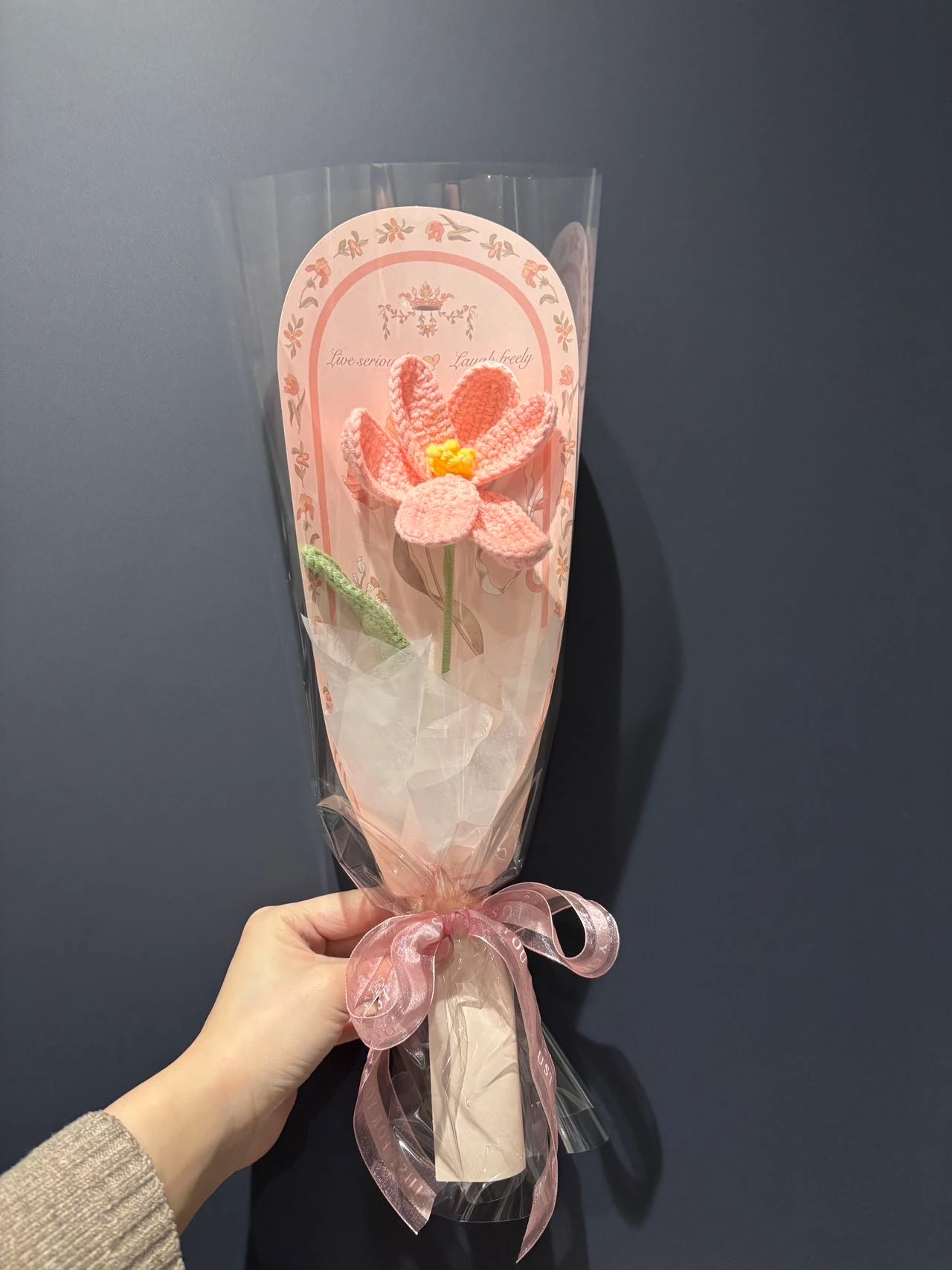
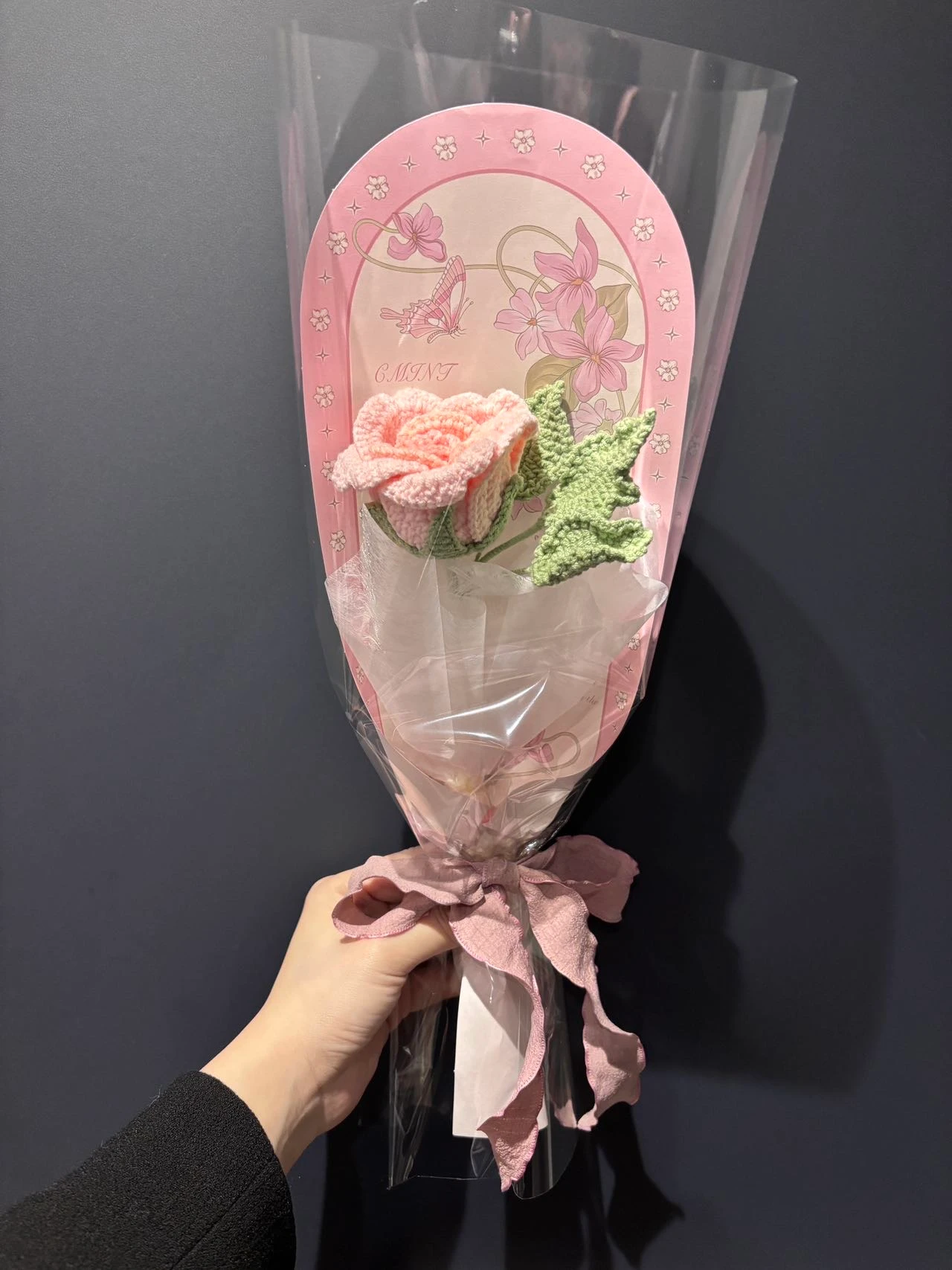
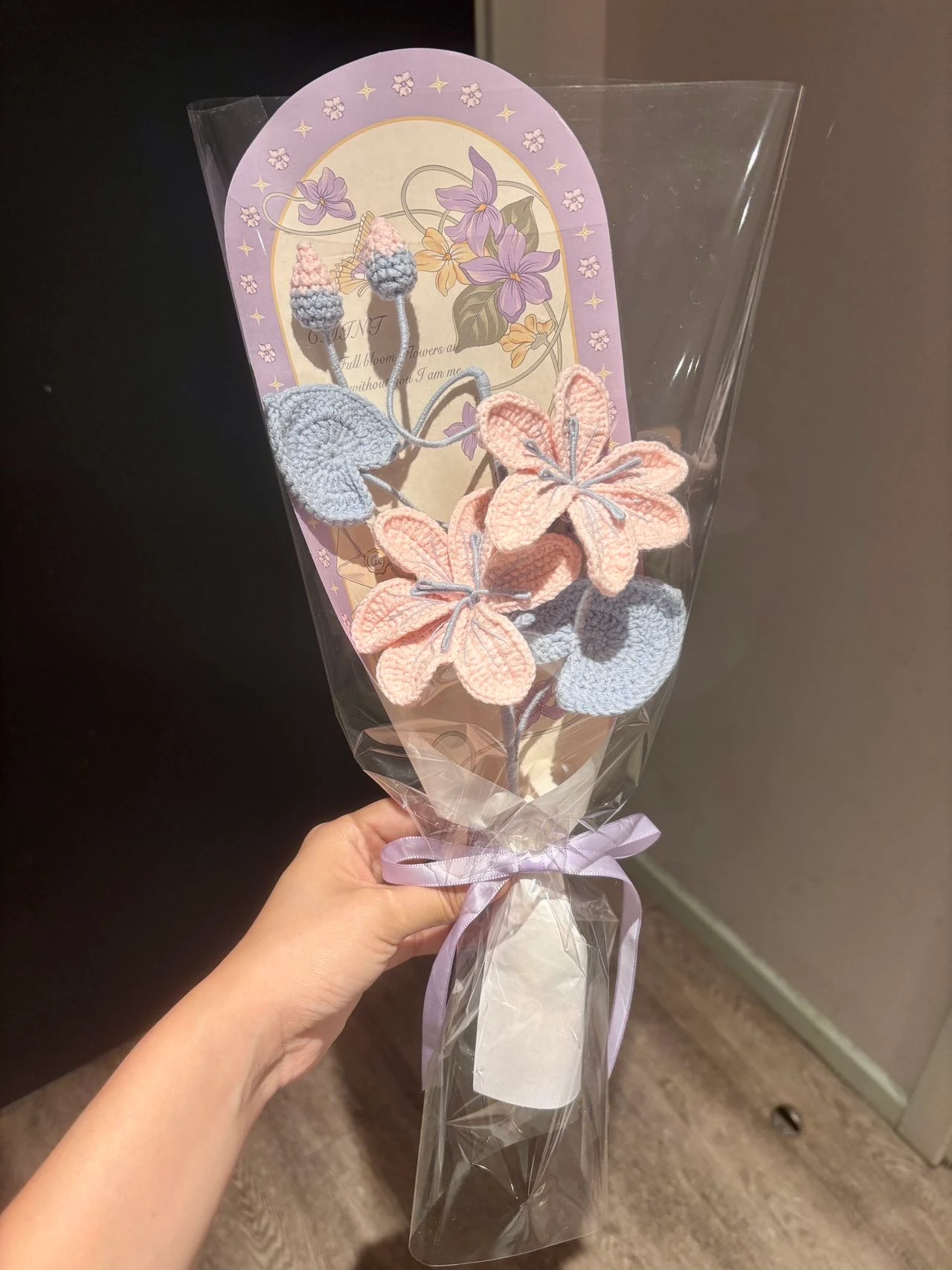
There's a particular kind of magic in a flower that never wilts. Pick up one of our crochet blooms and you'll feel it straight away — the soft weight of the yarn, the neat spiral of a petal, the gentle spring of a wired stem. Each one began as nothing more than a ball of thread and a small metal hook, and was coaxed into shape stitch by stitch, entirely by hand, here in our Leeds studio.
We're asked all the time how they're made, so we thought we'd pull back the curtain. Here is the honest, unhurried process behind every crochet flower we make — and why not one of them is ever quite the same.
It begins with yarn, a hook and a plan
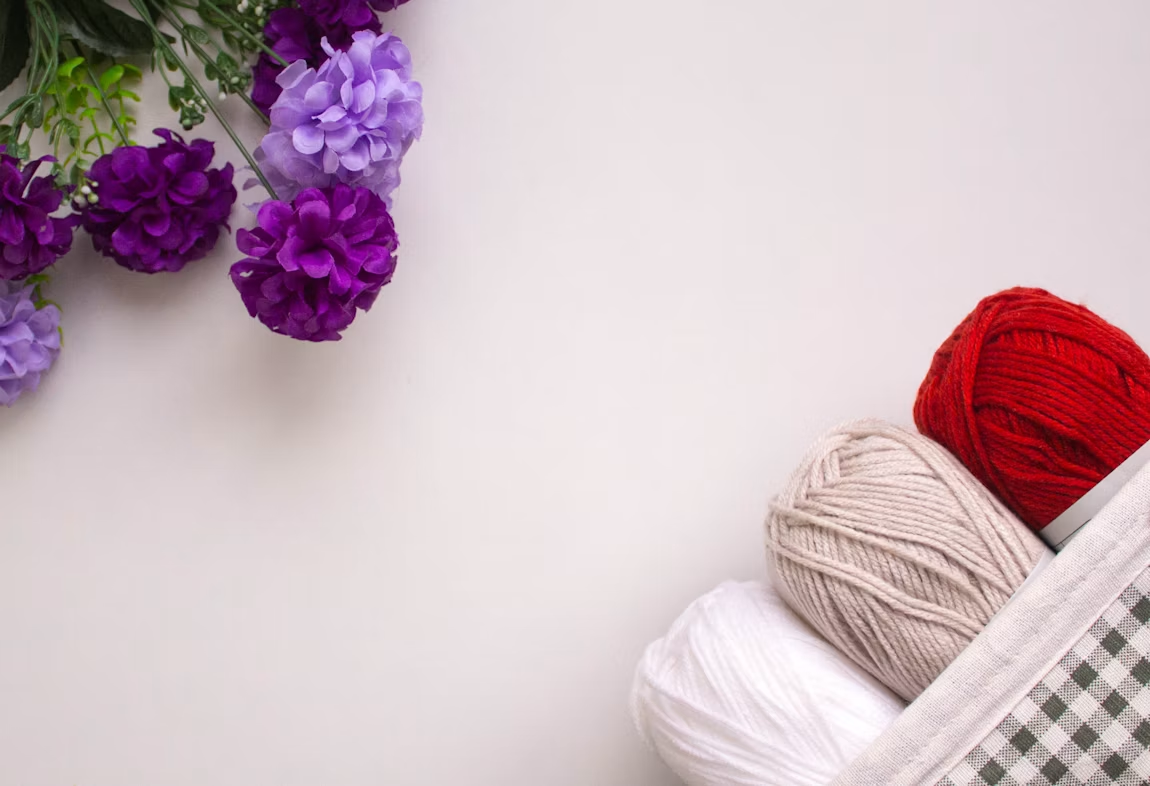
Before a single stitch is made, we choose the yarn. Colour matters enormously — a blush rose, a buttery daffodil, the deep burgundy of a dahlia — and because we're matching a mood rather than a catalogue, we'll often hold several shades side by side in daylight before committing. The weight of the yarn decides how delicate or full the finished petal will be, and the hook size controls how tight and structured the stitches sit.
Then we plan the flower itself. A rose is built very differently from a sunflower or a sprig of lavender; some blooms are worked as one long strip that curls into a spiral, others as separate petals joined at the base. Getting the plan right is what keeps the finished flower recognisable and true to life rather than merely flower-ish.
Petal by petal: building the bloom
This is the heart of the craft, and there are no shortcuts. Each petal is crocheted individually, the hook drawing loop through loop until a flat round of stitches slowly takes on shape and curve. Increases at the edges make a petal flare; decreases pull it into a cup.
Layering for depth
Real flowers aren't flat, so ours aren't either. We build outward in layers — a tight cluster at the centre, then progressively larger petals wrapped around it — so the finished bloom has the same depth and shadow you'd see in a fresh one. A single full rose can be a dozen or more separate pieces before it's assembled.
The centre and the finish
The centre is where a flower earns its character: French knots for a poppy's dark eye, a coiled disc for a sunflower, a ruffled twist for a peony. Every loose end is then woven back invisibly into the work so the flower looks clean from every angle.
Wiring, shaping and arranging
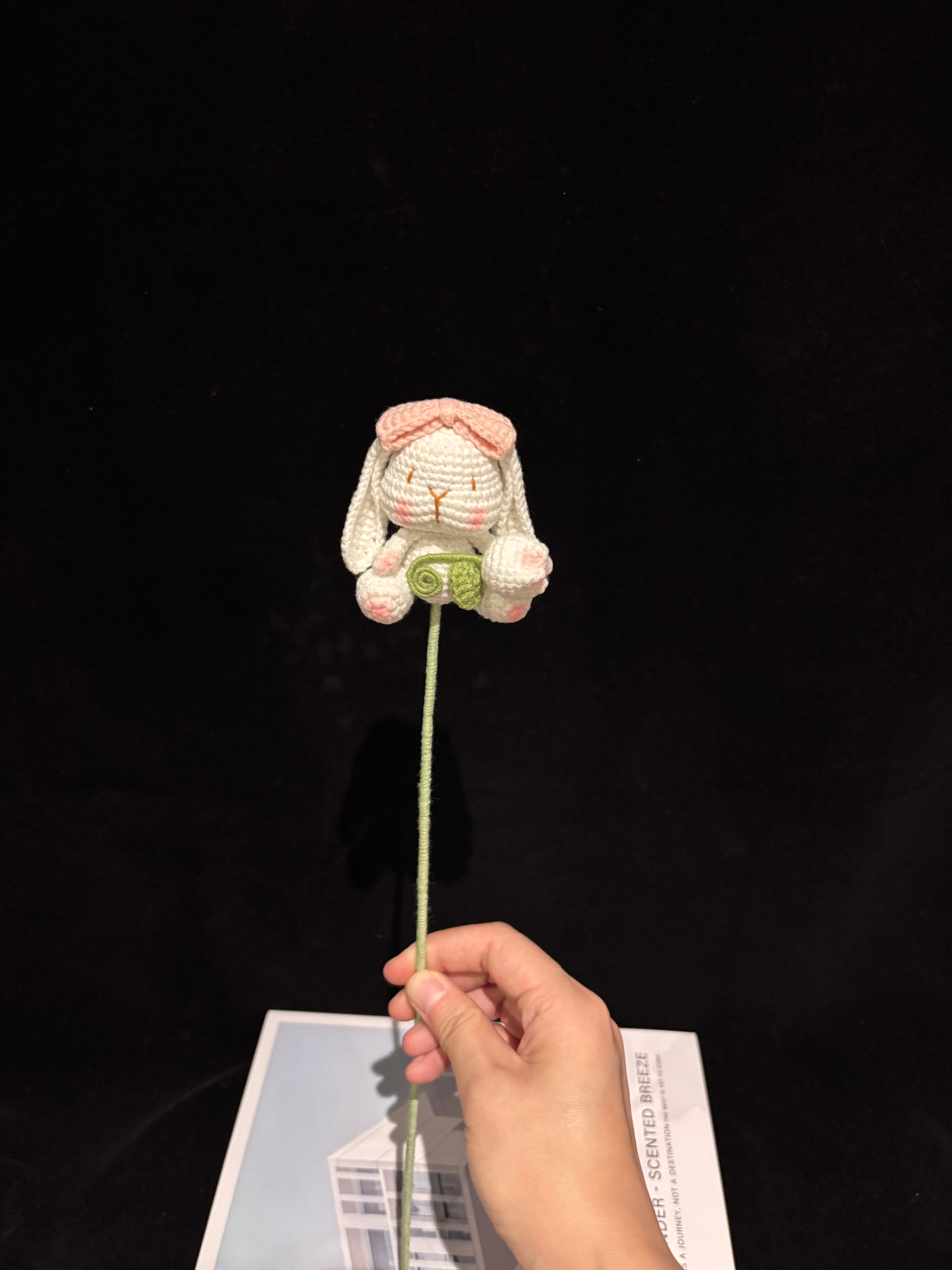
A pile of petals isn't a flower yet. Each bloom is wired so it holds its pose — florist wire threaded through the base and down into a wrapped stem, which is what lets the head tilt naturally and the whole arrangement stand tall in a vase without water. Leaves and buds are crocheted and wired the same way, then the calyx (the little green cup beneath the petals) is added to finish the join neatly.
Only then does the arranging begin. We balance colour, height and texture by eye, turning the piece as we go, tucking in foliage until it reads as a considered bouquet rather than a bunch of parts. It's the same instinct we bring to our fresh work — just with wire and yarn instead of stems and water.
The hours behind a single stem
People are often surprised by the time involved. A simple buttonhole bloom might take an evening; a large, many-layered flower can take the better part of a day, and a full arrangement is a project measured in days, not minutes. That's the honest trade for something made entirely by hand — and it's exactly why we make everything to order rather than keeping identical stock on a shelf.
A crochet flower isn't a quick make. It's slow, deliberate work — and that patience is what you're holding when it's finished.
Because of that, we always suggest ordering ahead for fixed dates, weddings and peak seasons like Valentine's Day and Mother's Day. We dispatch promptly and ship UK-wide, but a bespoke piece deserves a little runway. If you have a date in mind, just get in touch and we'll talk it through.
Why each one is truly one-of-a-kind
No two of our crochet flowers are identical, and that's by design. Hand tension varies subtly from petal to petal, colours are chosen fresh for each commission, and the final arrangement is composed in the moment. When you order a crochet piece, it is made for you — a small, particular thing that has passed through one pair of hands from start to finish.
It also makes them a wonderfully thoughtful, lasting gift. They won't drop a petal, they never need water, and they'll sit on a windowsill for years as a keepsake. If you'd like ideas, our gift guides are a lovely place to start, and they suit occasions from an anniversary to a new baby.
A worry-free choice where safety matters
Because crochet flowers are made from inert yarn, they're pollen-free with nothing to shed or ingest — which makes them a reassuring option in homes with pets or hay fever. With fresh flowers it always pays to check a plant's safety: lilies in particular are highly toxic to cats, and blooms such as tulips, daffodils, hyacinth, hydrangea and chrysanthemum are commonly listed as toxic or irritant, while roses, sunflowers and freesia are generally considered non-toxic. This is guidance rather than a medical guarantee, so do check the ASPCA or Blue Cross plant lists or your vet if you're unsure — and if safety is the deciding factor, a crochet or preserved arrangement (or an allergy-friendly bouquet) takes the worry away entirely.
See them for yourself
The best way to appreciate the craft is up close. Browse finished pieces in our gallery, read more about the whole family of long-lasting blooms in our everlasting flowers guides, and when you're ready to commission your own, explore our hand-crocheted flowers. Curious how crochet compares to the alternatives? Explore our preserved flowers to see the difference for yourself.
Frequently asked questions
How long does a crochet flower take to make?
It varies with the design — a small single bloom can take an evening, while a large layered flower or a full arrangement takes anywhere from a day to several days. Everything is made by hand to order, so we always suggest ordering ahead for fixed dates and peak seasons.
Are crochet flowers made in-house?
Yes — every crochet flower is hand-crocheted, wired and arranged by us in our Leeds studio, from choosing the yarn right through to the final finish.
How long do crochet flowers last?
Essentially, yes. They won't wilt or drop petals and never need water; a gentle dust now and then keeps them looking their best for years. You'll find tips in our flower care guide .
Can you post crochet flowers across the UK?
We can — crochet and preserved flowers ship UK-wide. Our fresh flowers are for local Leeds and West Yorkshire delivery only, but everlasting pieces can travel anywhere in the country.
Shop our flowers
More guides
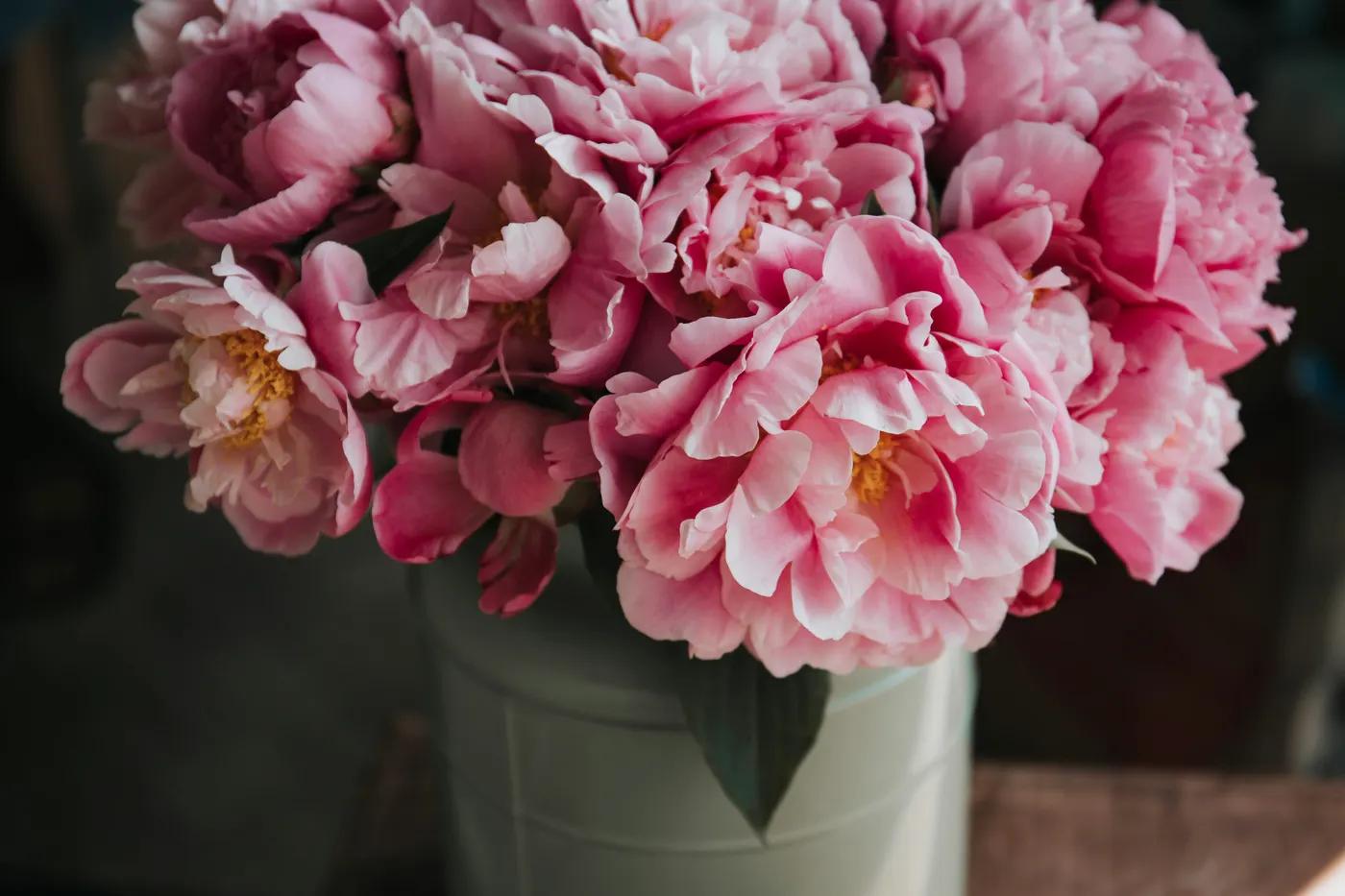
Crochet Flowers vs Fresh Flowers: Which to Send
We make both and love both. An honest, no-sales-pitch comparison — lifespan, scent, allergies and colour — to help you pick the right gift.
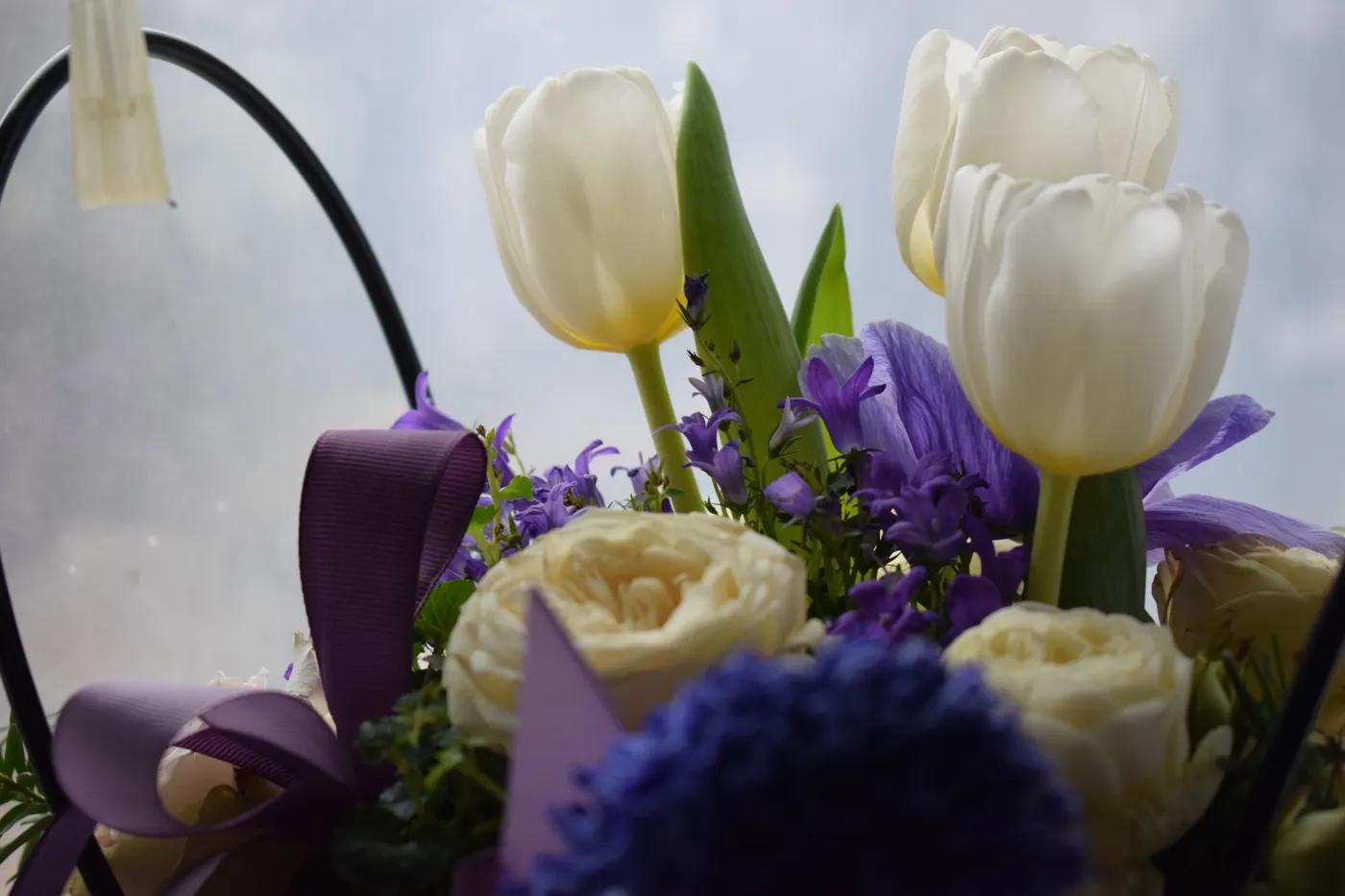
Best Flowers for Hospital Visits in Leeds
A lot of UK hospital wards turn fresh flowers away at the door. Here’s what to send instead — and what actually makes it to the bedside.
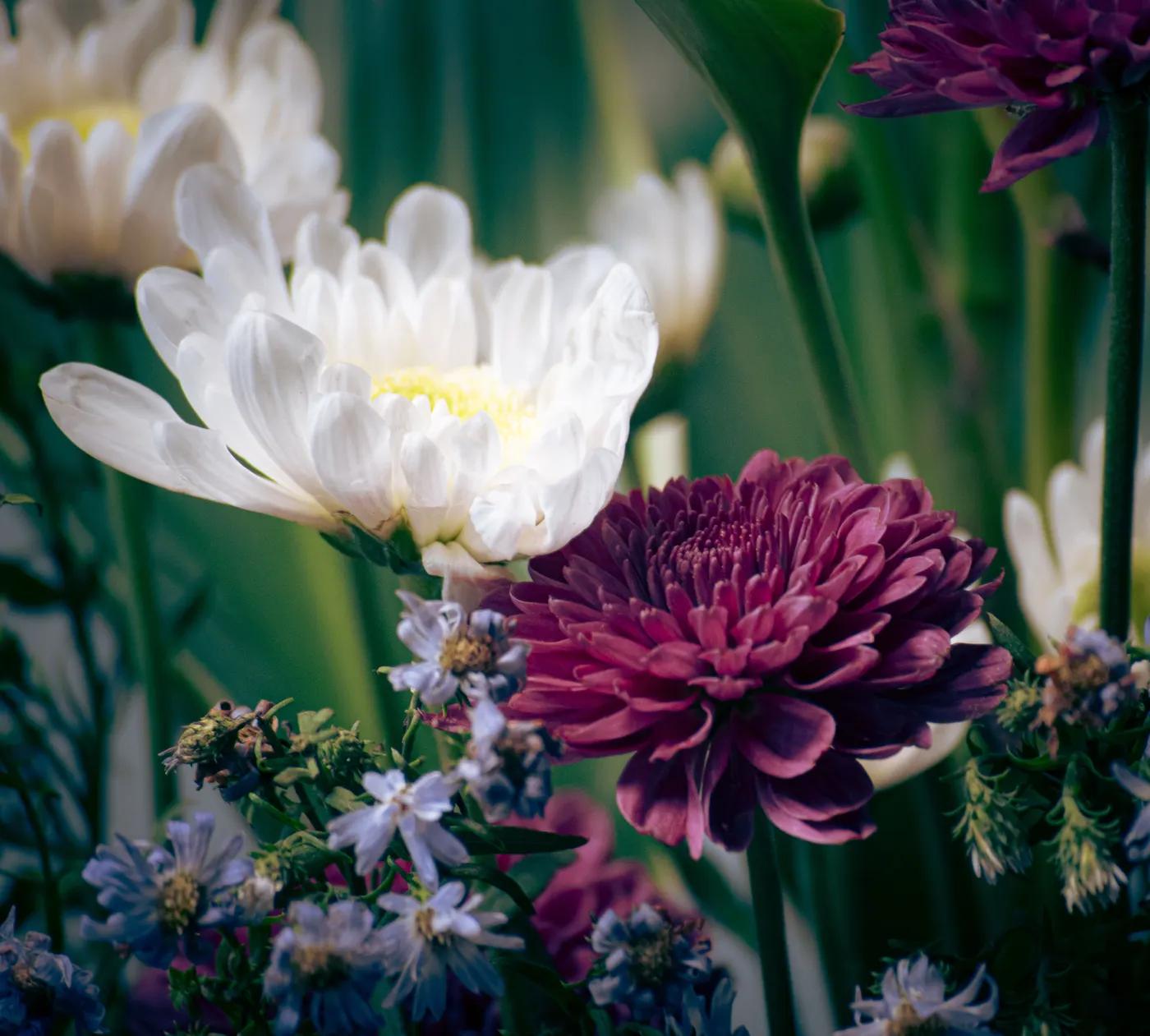
Scent-Free & Pollen-Free Flower Gifts
Thoughtful gift ideas for hay fever, asthma, hospitals and care homes — from low-pollen fresh picks for Leeds delivery to pollen-free crochet and low-pollen preserved flowers shipped UK-wide.
Ready to buy? Shop everlasting flowers.
Ready to order? Browse our shop, read more guides, or get in touch about a bespoke arrangement.
You might also like our same-day flower delivery in Leeds, our flower care guide, our everlasting crochet flowers shipped UK-wide, or shop flowers by occasion.